Knowledge · Article
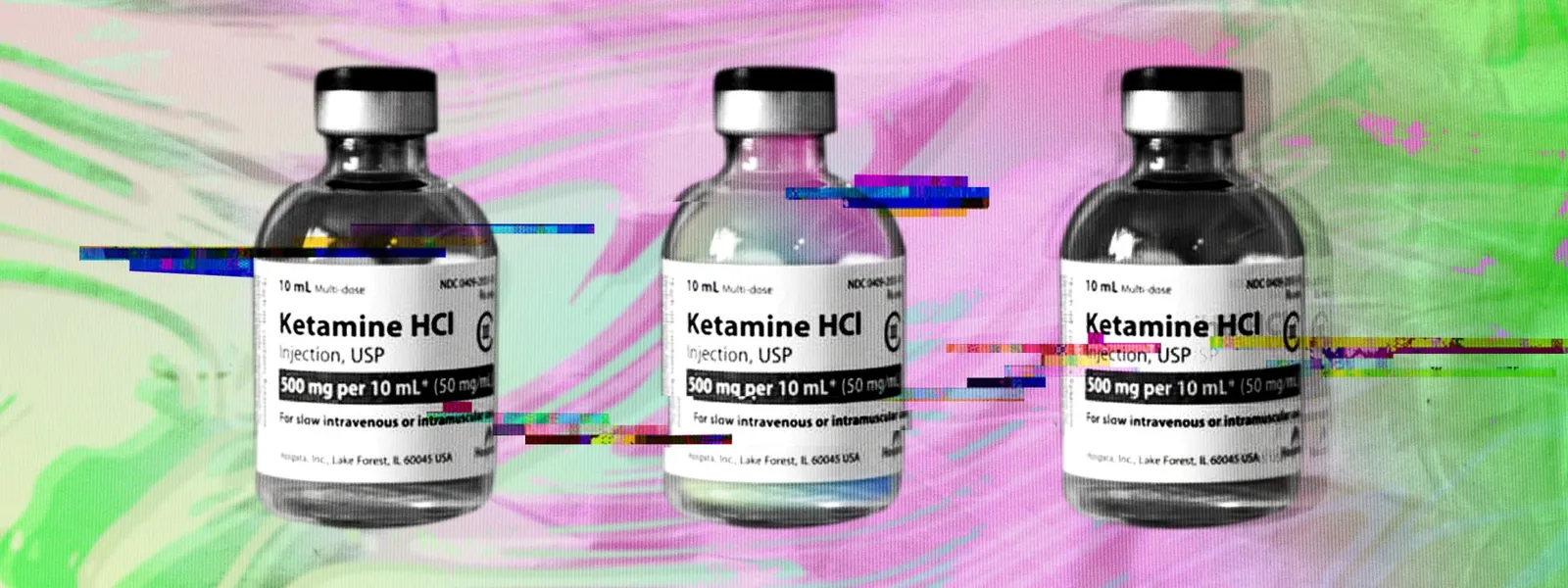
Could VR change how you trip on ketamine?
By Sarah Wells
Ketamine, once viewed as a party drug, is gaining recognition for its therapeutic potential in treating pain, anxiety, and depression. Researchers are exploring how virtual reality technology could enhance the experience and effectiveness of ketamine therapy.
- Kind
- Article33 articles in the bank
- Published
- 2020Where it sits among everything in the Knowledge Bank, by year
- Author
Topics
Summary
About the article
Ketamine, a psychedelic relic from the 1960s, has gotten a bad rap over the past few decades as a teenage party drug. But that’s all starting to change. In addition to a growing body of research demonstrating the drug’s effectiveness as a treatment for pain, anxiety, and depression, researchers have also started to look at how this old drug could be transformed by a very modern technology: virtual reality.
Related
More like this
Digital hallucinations boost creativity - no drugs required
Researchers in Milan have developed a project called Cyberdelics, which combines immersive virtual reality and artificial intelligence to create digital hallucinations that mimic psychedelic experiences without the use of drugs. This technology helps users think differently and promotes relaxation.

Why I've Never Mixed Weed With Virtual Reality
Combining virtual reality with cannabis may diminish the unique experiences each offers, as both have transformative qualities that can be compromised when mixed. The author reflects on their fascination with virtual reality since adolescence, influenced by cultural works like Snow Crash and Lawnmower Man.
Group VR experiences can produce ego attenuation and connectedness comparable to psychedelics
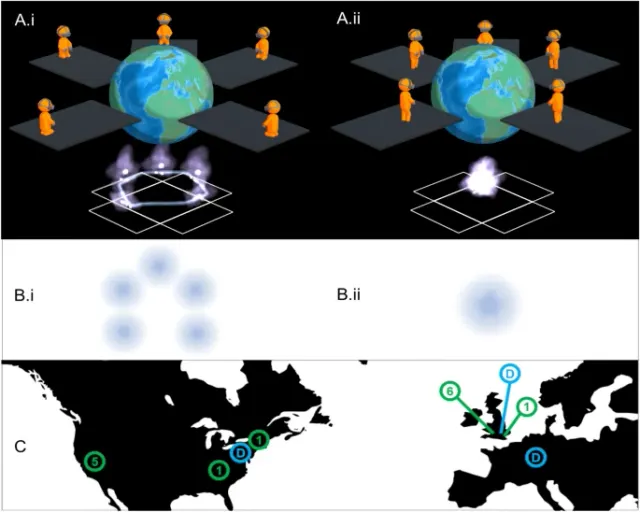
Research explores the potential of virtual reality (VR) to create self-transcendent experiences (STEs) similar to those induced by psychedelics. Using a framework called 'Isness-distributed', participants in shared VR spaces experience a blurring of self-other boundaries, leading to moments of 'energetic coalescence'. Analysis of 58 participants showed that the subjective experiences in VR were statistically comparable to those reported in psychedelic studies, indicating VR's capability to facilitate intersubjective STEs that dissolve individual ego in connection with others.
- Editor
- Not recorded yet
- Last reviewed
- Not reviewed yet
Conversation
Share your experience of it
What it was like, what helped, what you would tell someone before they try it.