Knowledge · Article
Basics of Flickering Light & Pulsed Sound Brain Signaling
By Garnet Dupuis
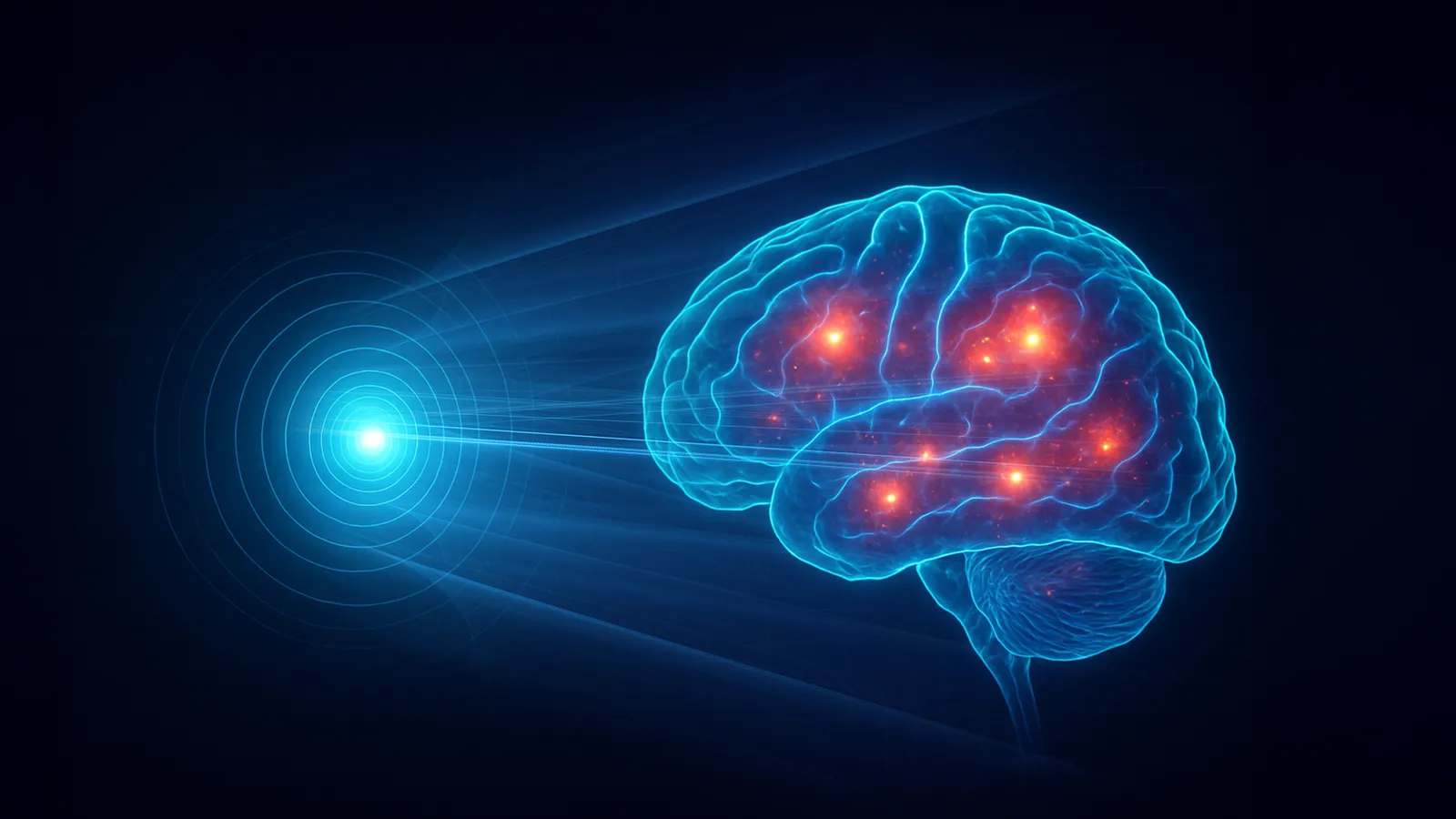
Flickering light and pulsed sound serve as neuromodulation signals that can synchronize brainwaves or promote adaptive neuroplastic change. The article differentiates between predictable stimulation, which elicits a frequency-following response, and more complex signaling that incorporates surprise and challenge to foster healthier patterns of attention, mood, and cognition.
- Kind
- ArticleFeatured33 articles in the bank
- Published
- 2025Where it sits among everything in the Knowledge Bank, by year
- Author
Topics
Summary
About the article
The article explains how flickering light and pulsed sound can act as neuromodulation signals that either synchronize brainwaves (brain entrainment) or drive adaptive neuroplastic change (brain engagement). It distinguishes regular, predictable stimulation that produces a frequency-following response from more complex, compositional signaling that uses surprise and slight challenge to guide the brain toward healthier, more flexible patterns of attention, mood, and cognition.
Related
More like this
Flicker light stimulation enhances the emotional response to music: a comparison study to the effects of psychedelics
Flicker light stimulation (FLS) enhances emotional responses to music, similar to the effects of psychedelics. In a study with twenty participants, FLS significantly increased reported emotions, particularly "Joyful Activation," and intensity of FLS correlated with higher emotional arousal. These findings suggest further exploration of FLS as a method for inducing altered states of consciousness and its interaction with music-evoked emotions.

Holotechnica: Exploring the nexus of altered states and altered traits
Holotechnica combines various techniques to create lasting transformations of consciousness, addressing the gap between altered states and enduring traits. The study aims to develop frameworks that integrate endo-technologies, cyberdelics, and pharmaco-technologies, based on insights from expert interviews. Future work will enhance measures to assess the achievement of altered traits.
The Light
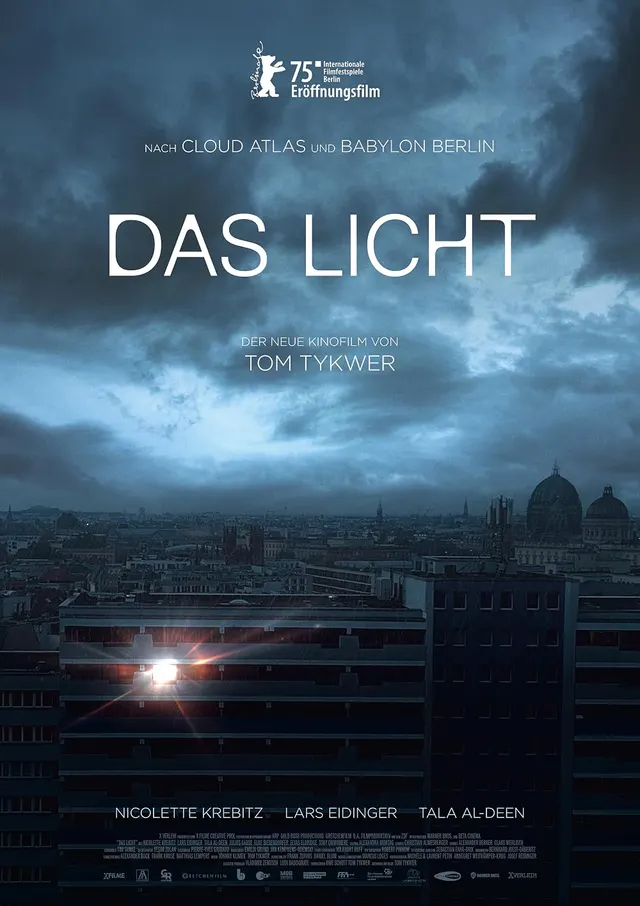
A movie titled "The Light," directed by Tom Tykwer, explores themes of flicker light stimulation, psychology, spirituality, and technology, and is set to be released in 2025. More information can be found on its IMDb page.
- Editor
- Not recorded yet
- Last reviewed
- Not reviewed yet
Conversation
Share your experience of it
What it was like, what helped, what you would tell someone before they try it.