Knowledge · Research paper
Flicker light stimulation enhances the emotional response to music: a comparison study to the effects of psychedelics
By Caspar Montgomery, Ioanna Alicia Amaya, Timo Torsten Schmidt
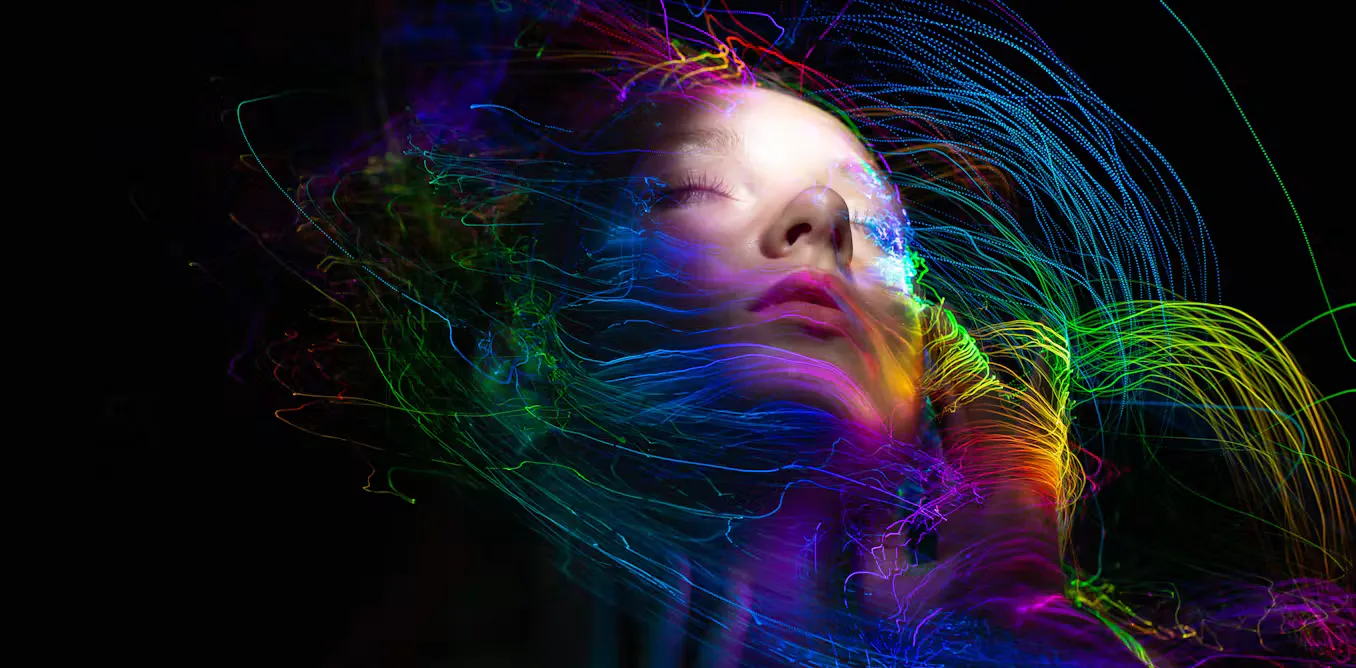
Flicker light stimulation (FLS) enhances emotional responses to music, similar to the effects of psychedelics. In a study with twenty participants, FLS significantly increased reported emotions, particularly "Joyful Activation," and intensity of FLS correlated with higher emotional arousal. These findings suggest further exploration of FLS as a method for inducing altered states of consciousness and its interaction with music-evoked emotions.
- Kind
- Research paper35 research papers in the bank
- Published
- 2024Where it sits among everything in the Knowledge Bank, by year
- Authors
Topics
Abstract
About the paper
Flicker light stimulation (FLS) is a non-pharmacological method of inducing altered states of consciousness (ASCs), producing hallucination-like phenomena as well as effects extending beyond the visual modality, including emotional effects. Research into the psychological and neural mechanisms of FLS is still in its infancy, but can be informed by research into other methods of inducing ASCs. For instance, research on classic psychedelics has reported enhancement of emotional responses to music. Here, we test to what degree FLS might also enhance the emotional response to music, using a study protocol designed to resemble a previous study on the effects of LSD as closely as possible, to allow for comparison of effect sizes across modalities and inform future research into FLS as an ASC-induction method. Twenty participants listened to emotionally evocative music in two conditions – with and without FLS – and reported on their emotional response to the music. FLS showed a significant enhancing effect on reported music-evoked emotion, especially emotions relating to “Joyful Activation”; additionally, we found that the experienced intensity of FLS correlated with reports of higher levels of emotional arousal. These findings motivate further research into FLS as a method for inducing ASCs and into the interactions between visual phenomena and music-evoked emotion.
Related
More like this
Basics of Flickering Light & Pulsed Sound Brain Signaling
Flickering light and pulsed sound serve as neuromodulation signals that can synchronize brainwaves or promote adaptive neuroplastic change. The article differentiates between predictable stimulation, which elicits a frequency-following response, and more complex signaling that incorporates surprise and challenge to foster healthier patterns of attention, mood, and cognition.
Modeling Psychedelic Tracers with QRI’s Psychophysics Toolkit: The Tracer Replication Tool
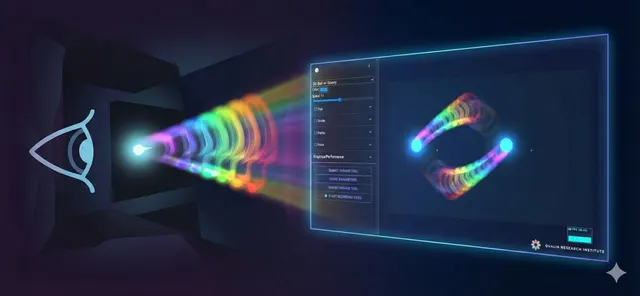
A new method called the Tracer Replication Tool has been developed to replicate psychedelic tracer effects, revealing how the time-like texture of experience influences states of consciousness. This tool aims to describe ineffable experiences, standardize a scale of psychedelic effects, quantify drug synergy, and test theories on the quality of experiences. Initial findings suggest distinct patterns in effects from various substances, such as THC and HPPD producing faint trails, and DMT resulting in vibrant visuals compared to the monochromatic effects of 5-MeO-DMT. The research encourages further exploration of these patterns within the scientific community and among psychonauts.
Autonomic indicators of self-transcendence: insights from the numadelic VR paradigm
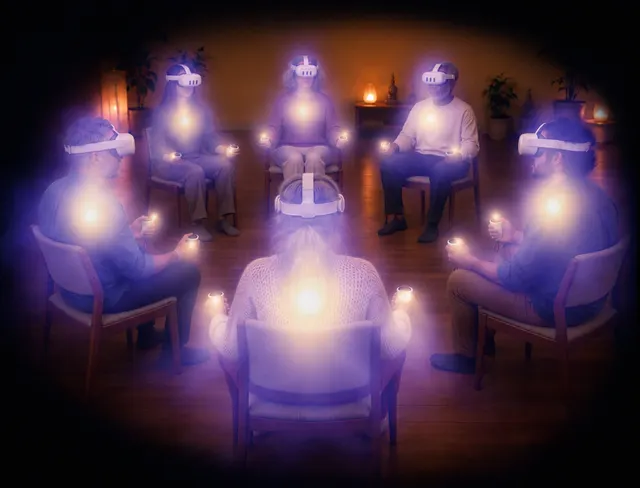
HRV amplitude is identified as a physiological marker of self‑transcendent experiences during a “numadelic” VR paradigm, showing links to subjective self‑transcendence, compassion traits, and emotional improvement, though the study does not establish general clinical efficacy or long‑term effects.
- Editor
- Not recorded yet
- Last reviewed
- Not reviewed yet
Conversation
Share your experience of it
What it was like, what helped, what you would tell someone before they try it.