Theme
Technology
0 experiences and 92 knowledge items.
92 knowledge items
Reading, watching and tools on Technology
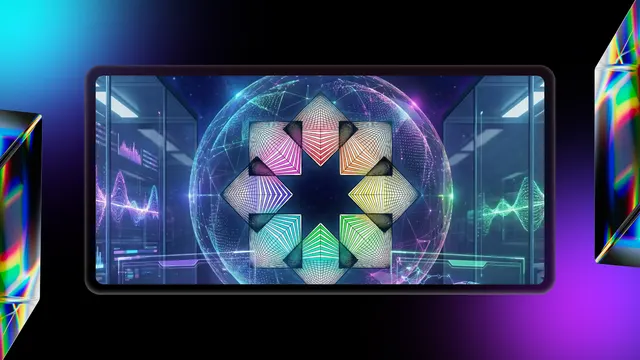
4D Wave Visualization with Continuous Rotations
The 4D Wave Control tool allows users to visualize 4D rotations and matrix transformations, aiding in the understanding of linear algebra concepts. Users can adjust matrices, blend transformations, and explore vector spaces through interactive controls. Tips for effective exploration include making small matrix changes and observing rotations for extended periods to enhance visual intuition.
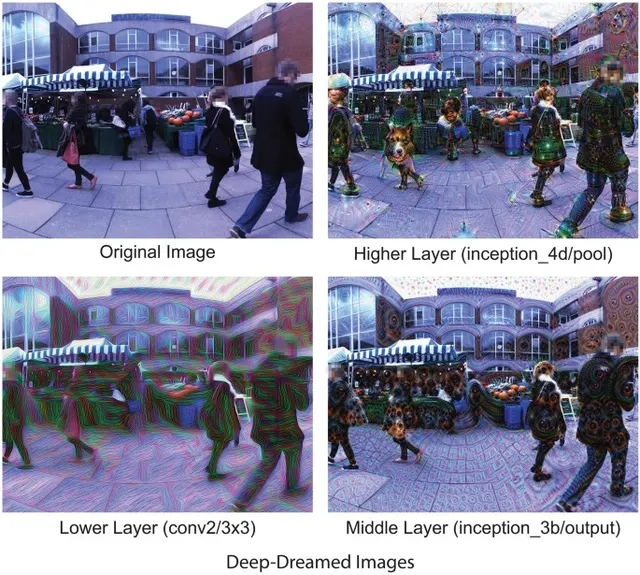
A Deep-Dream Virtual Reality Platform for Studying Altered Perceptual Phenomenology - Scientific Reports
A novel tool called the Hallucination Machine combines deep convolutional neural networks and panoramic VR to simulate visual hallucinatory experiences, mimicking the phenomenology of psychedelics without altering neurophysiology. Experiments show it induces similar visual effects but does not produce the temporal distortions typically associated with altered states.
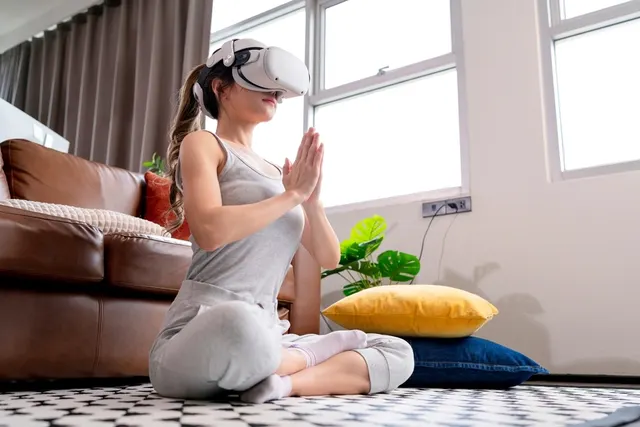
A Holistic Approach to Employee Functioning: Assessing the Impact of a Virtual-Reality Mindfulness Intervention at Work
A workplace virtual reality mindfulness intervention was studied to assess its impact on employee wellbeing, performance, and attitudes. The intervention showed a significant reduction in employee stress but did not consistently improve performance or attitudes. Recommendations for overcoming organizational barriers to enhance job performance and reduce program attrition were provided, highlighting the need for further examination of stress management strategies.

A predictive coding approach to psychedelic virtual-induced hallucinations and creative cognition in aging
Recent research explores the potential of psychedelics in enhancing cognitive flexibility and creativity, particularly through Virtual Reality (VR) simulations. This approach may help counteract cognitive decline in aging, as it optimizes the balance between expectations and sensory information, thereby supporting creative cognition and maintaining cognitive functions.
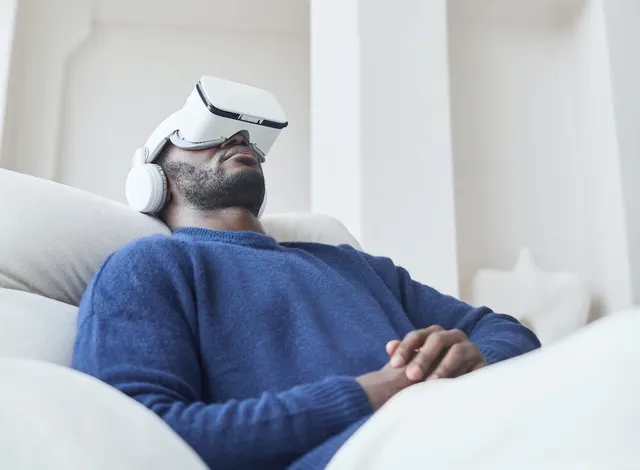
A Virtual Reality Application for Stress Reduction: Design and First Implementation of ERMES Project
The ERMES project utilizes Virtual Reality to enhance psychological well-being by offering immersive experiences aimed at stress reduction. It includes Mindfulness sessions, virtual museum exploration, and Art Therapy activities, allowing patients to engage in therapeutic practices individually or collaboratively in hospital settings.

Active VR Games Reduce Pain Sensitivity in Young, Healthy Adult
Research indicates that engaging in active virtual reality (VR) games can significantly reduce pain sensitivity in young, healthy adults. This effect is primarily attributed to distraction, as participants focus on the VR environment rather than the pain stimulus. Previous studies have shown that both passive and active VR engagement can lead to lower pain levels, but most prior research has concentrated on passive experiences with limited exposure time.
AI and the Edge of the Unknown
AI is evolving rapidly, challenging human concepts of creativity, intuition, and self-awareness. We are nearing a technological singularity where AI's growth outpaces human understanding, leading to unpredictable futures. Key questions arise about AI's potential discoveries and how to align future developments with human values amidst this transformation.
AI Keeps Getting Better at Talking About Consciousness
Current scientific asymmetry exists between the rapid advancement of artificial intelligence and the limited understanding of consciousness. While AI models like Claude 3.0 exhibit traits associated with consciousness, they express uncertainty about their own sentience and inner experiences, highlighting the ongoing philosophical and scientific questions surrounding the nature of consciousness.
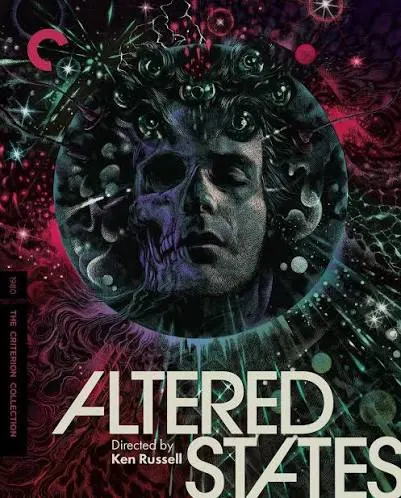
Altered States
Ken Russell’s 1980 film follows a researcher who pushes the limits of consciousness through self‑experiments with psychedelics and technology, depicting altered states and mind‑manifesting tech as a cultural reference rather than a cyberdelic experience.
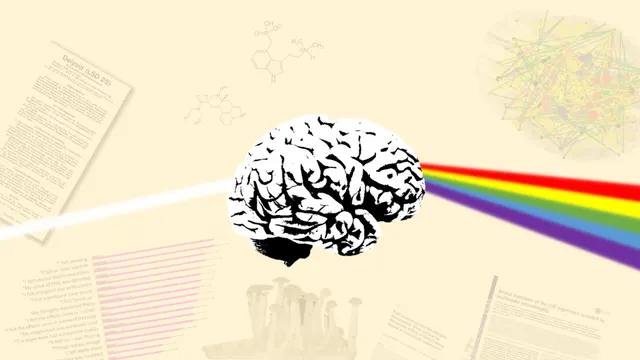
Altered States Database
The Altered States Database (ASDB) is an open-science project by CIRCE, providing access to scientific data on pharmacological and non-pharmacological methods for inducing altered states of consciousness. It includes only peer-reviewed psychometric data and is updated annually based on systematic literature reviews. The project aims to support research on human consciousness, particularly in the context of psychedelics in therapy, by enhancing data comparability and optimizing study designs.

AltVR
AltVR is a YouTube channel focused on art, culture, future, philosophy, psychology, science, spirituality, technology, and virtual reality, launched in 2018. More information can be found at their URL: https://www.youtube.com/@AltVR_YouTube.
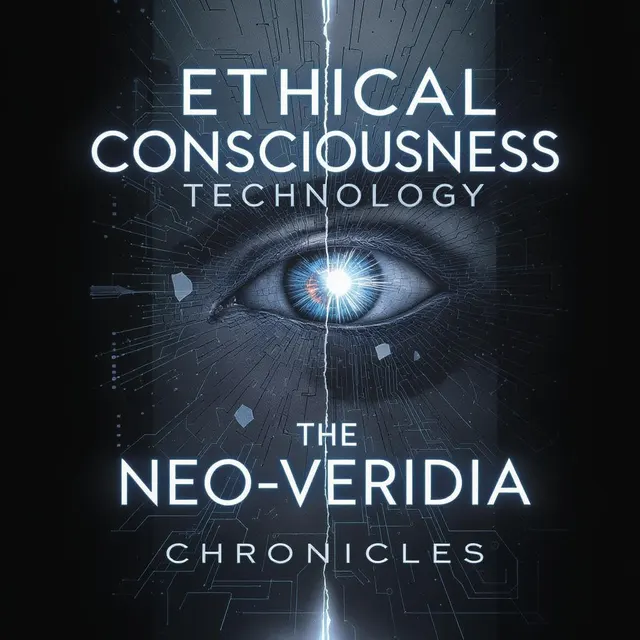
Amazon.com: Ethical Consciousness Technology: The Neo-Veridia Chronicles eBook : Hatcher, Alan: Tienda Kindle
An eBook by Alan Hatcher, published in 2025, explores themes of art, culture, future, science, science fiction, and technology, and is available on Kindle.
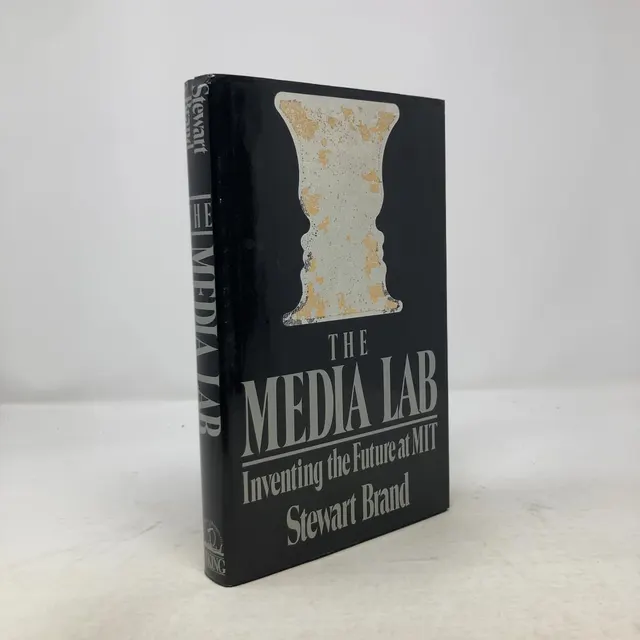
Amazon.com: The Media Lab: Inventing the Future at M.I.T
Explores the future envisioned by the Media Lab at MIT, focusing on how scientists are reshaping mass media to cater to individual desires and preferences.
Art as therapy in VR: A scoping review
This scoping review examines the use of virtual reality in therapeutic art interventions, highlighting its potential for enhancing artistic expression, self-improvement, and motivation in psychotherapy and neurorehabilitation. While virtual reality offers unique benefits, such as controlled environments and appeal to digital natives, challenges like digital literacy, technical limitations, and inclusivity must be addressed by practitioners and developers for effective implementation.
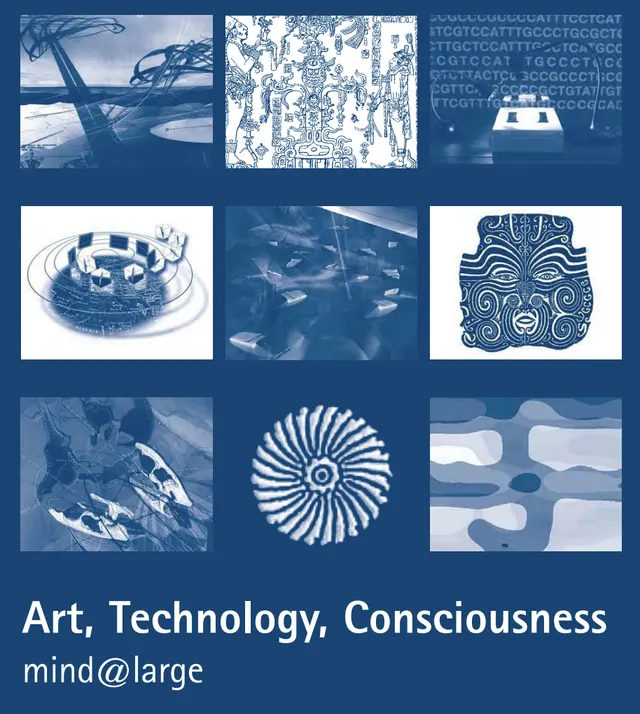
Art, Technology, Consciousness
The collection features articles from artists and scientists presented at the Third International CAiiA-STAR Research Conference, focusing on the intersection of art, technology, and consciousness. It explores diverse topics such as artificial life, immersive VR, and the nature of consciousness, emphasizing a multidisciplinary and multicultural approach. The aim is to raise key questions and pursue creative implications rather than provide definitive answers, while also considering the spiritual aspects of human experience and their artistic implications.
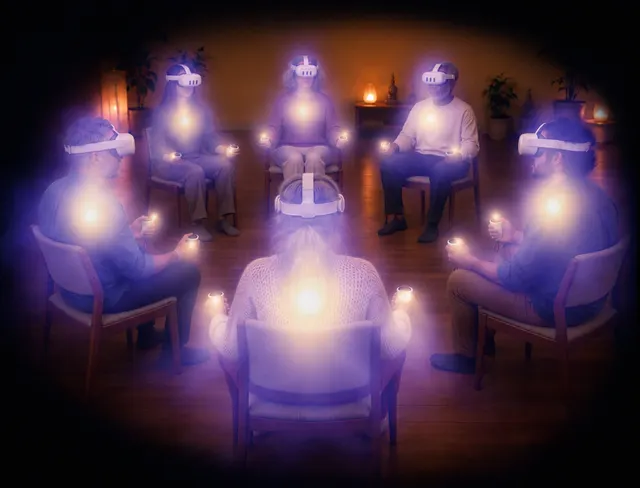
Autonomic indicators of self-transcendence: insights from the numadelic VR paradigm
HRV amplitude is identified as a physiological marker of self‑transcendent experiences during a “numadelic” VR paradigm, showing links to subjective self‑transcendence, compassion traits, and emotional improvement, though the study does not establish general clinical efficacy or long‑term effects.
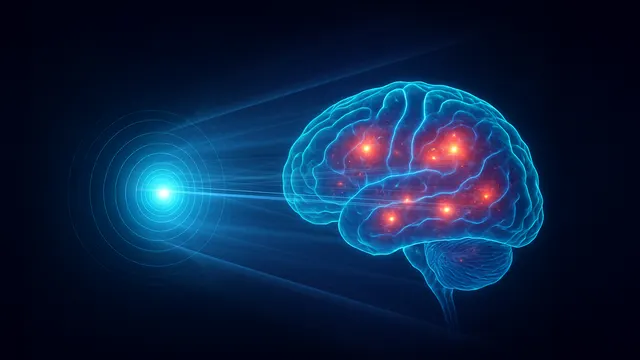
Basics of Flickering Light & Pulsed Sound Brain Signaling
Flickering light and pulsed sound serve as neuromodulation signals that can synchronize brainwaves or promote adaptive neuroplastic change. The article differentiates between predictable stimulation, which elicits a frequency-following response, and more complex signaling that incorporates surprise and challenge to foster healthier patterns of attention, mood, and cognition.
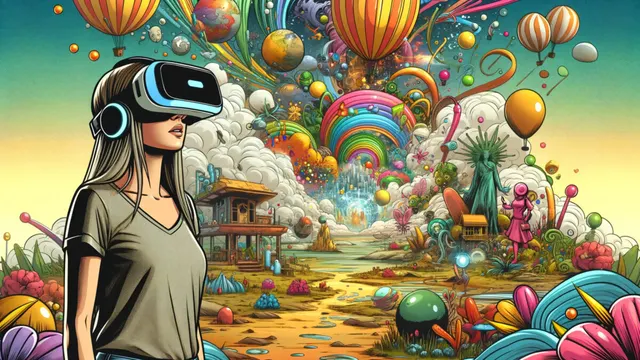
Believable Virtual Reality does not need high-end VR headsets — study
A study from the University of Bath reveals that emotional connection, rather than high-quality graphics or wide field of view, is key to immersion in virtual reality environments. Researchers explored how technical and human factors interact to influence users' sense of presence in VR.
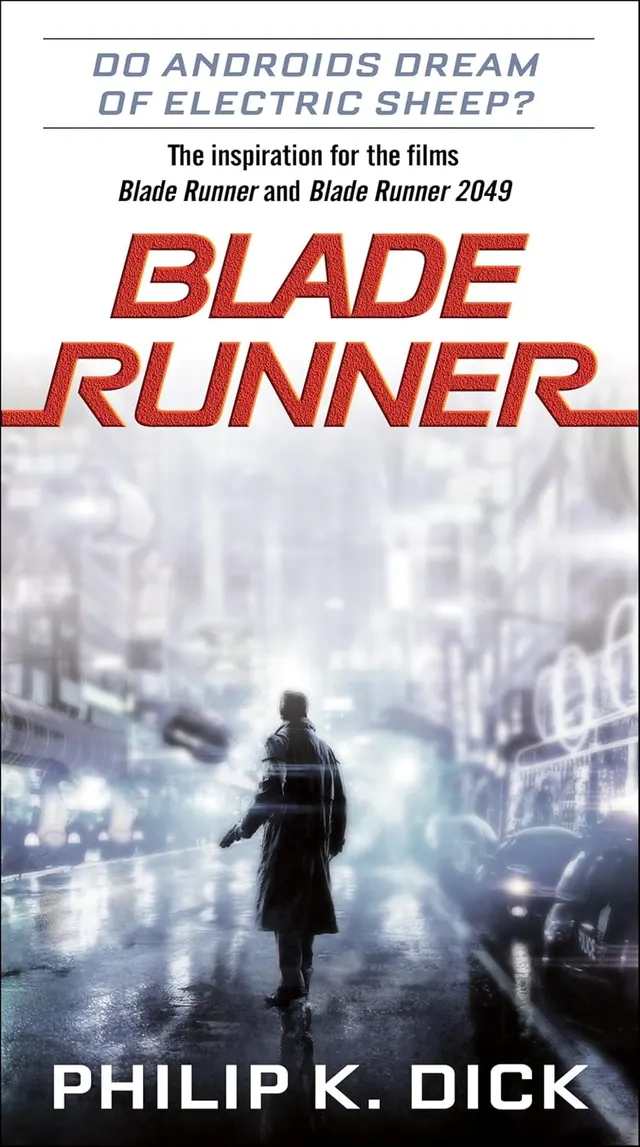
Blade Runner
In a post-apocalyptic future, where Earth is devastated by war and species extinction, humans covet living creatures and companies create lifelike androids. Rick Deckard, a bounty hunter, is tasked with hunting down rogue androids that have been banned from Earth, leading to dangerous confrontations as these artificial beings fight back to survive.
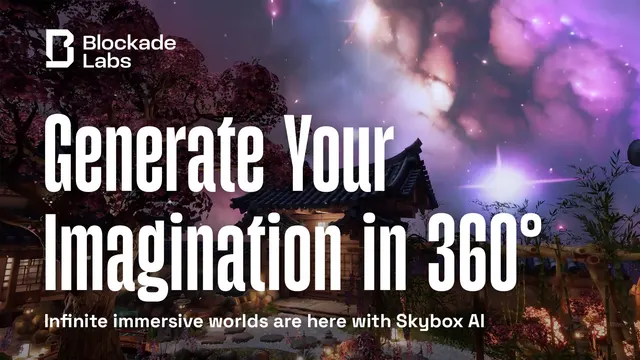
Blockade Labs (Skybox Ai)
Blockade Labs offers Skybox AI, a tool for generating 360° environments and skyboxes using AI technology. The tool is part of a broader focus on AI and VR in 2023.
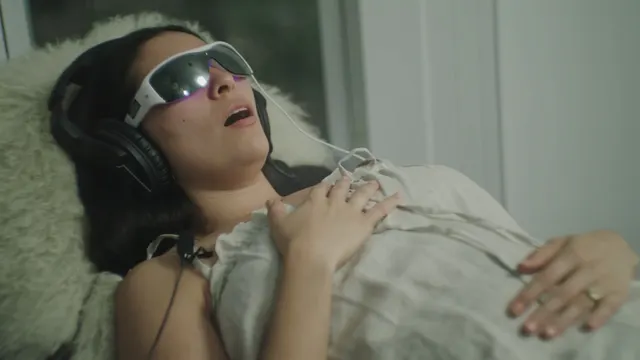
Bringing Digital Psychedelics to Mental Health Providers
SoundSelf, a digital therapeutics company, has launched a community investment campaign on Wefunder to support innovative mental health therapy, combining ancient practices with modern technology to enhance treatments like ketamine.
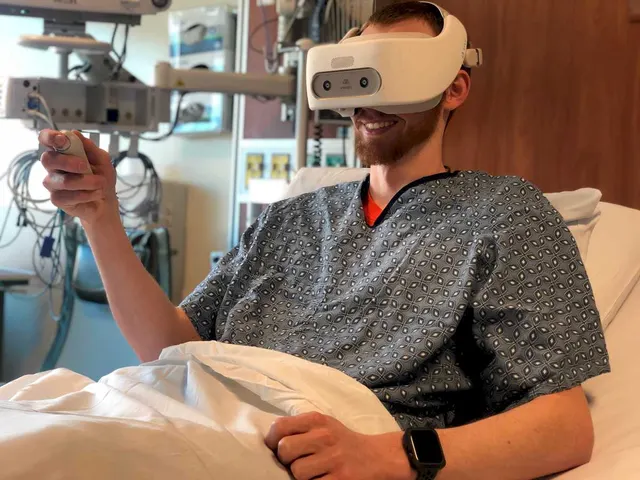
Clinical application of VR in patients with cardiovascular disease: state of the art
Cardiovascular disease remains a significant cause of morbidity and mortality, with patients experiencing various psychological symptoms, including anxiety and depression, which can impact recovery. Virtual reality (VR) technology has shown promise in improving psychological outcomes for patients with atherosclerotic cardiovascular disease (ASCVD) by providing immersive experiences that can alleviate distress and enhance recovery processes.
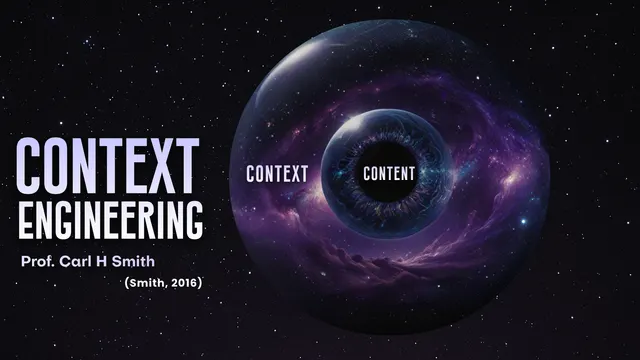
Context Engineering Hybrid Spaces for Perceptual Augmentation
Emerging spatial technologies are reshaping perception, challenging the traditional Cartesian split between subject and object. This paper explores how context engineering serves as an intermedial practice for perceptual augmentation, allowing real-time control over senses and influencing the construction of reality and consciousness.
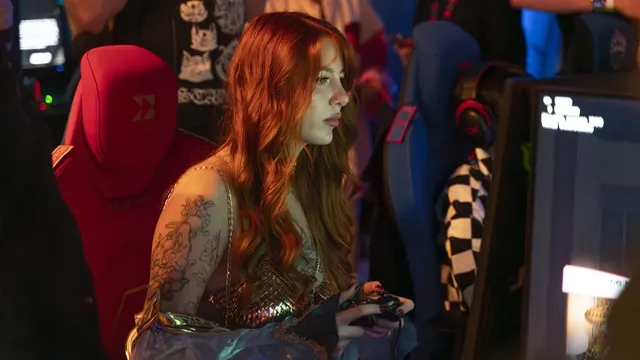
Cosmic Sugar, Brain Candy, Cyberdelics
Podcast discussing themes of art, culture, technology, and psychedelics, featuring insights into cyberdelia and virtual reality. Available on RTE Lyric FM's website.
Cyberdelic Nexus Newsletter
The Cyberdelic Nexus Newsletter covers topics related to art, culture, cyberdelia, science, spirituality, technology, and virtual reality. It includes a link to the newsletter and mentions related content.
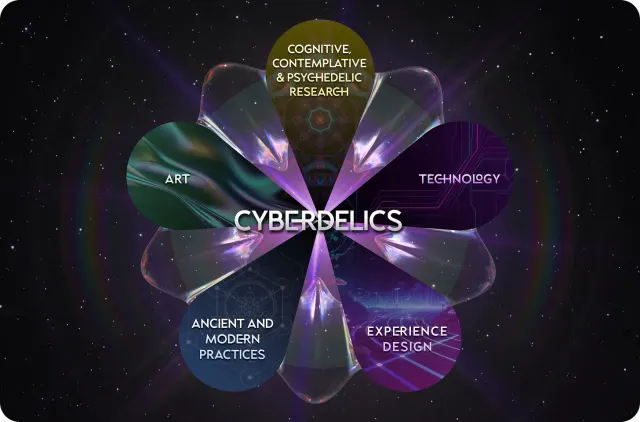
Cybernetics of the Self
The article introduces the concept of a cyberdelic stance, emphasizing conscious engagement with technology as feedback loops that can enhance wisdom and agency. It explores the evolution of cybernetics, merging it with psychedelia to highlight tools and practices that promote interconnection and co-creation, encouraging individuals to actively shape their experiences rather than being controlled by algorithms.
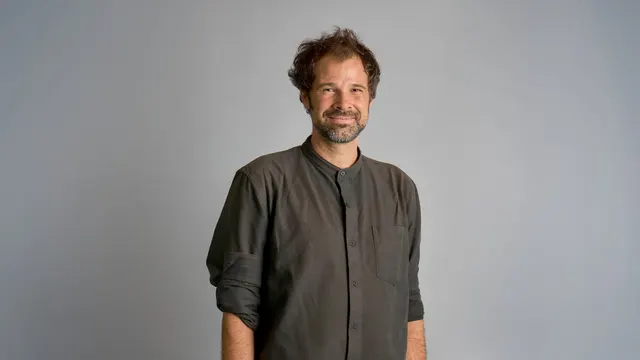
David Glowacki,“La idea de vivir 500 años me asusta más que la muerte”
David Glowacki, físico, trabaja en un proyecto que utiliza realidad virtual para recrear experiencias cercanas a la muerte en pacientes con enfermedades graves, con el fin de reducir su ansiedad sobre la muerte y transformar su relación con la mortalidad. Se menciona que aproximadamente el 5% de la población ha tenido tales experiencias, las cuales suelen cambiar profundamente su comprensión de la vida y la muerte.

Designing Mind(set) and Setting for Profound Emotional Experiences in Virtual Reality
Virtual reality can facilitate profound emotional experiences, such as awe, by considering the influence of "set and setting," which includes mindset and the environment. A design refinement process revealed insights on user experience and behavioral measures related to awe, contributing to understanding how these factors enhance emotional experiences in VR.
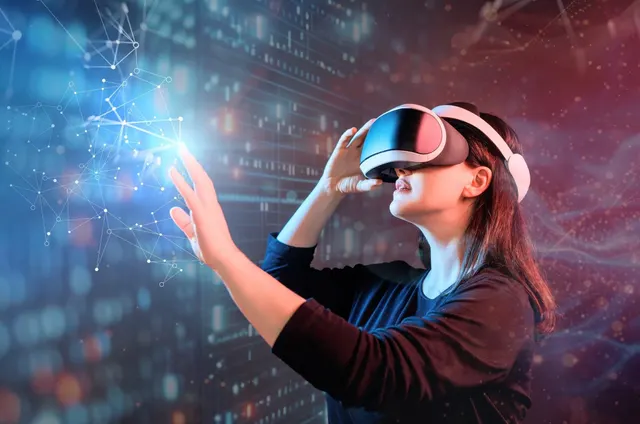
Digital hallucinations boost creativity - no drugs required
Researchers in Milan have developed a project called Cyberdelics, which combines immersive virtual reality and artificial intelligence to create digital hallucinations that mimic psychedelic experiences without the use of drugs. This technology helps users think differently and promotes relaxation.
Dreamseed VR - YouTube
Dreamseed VR is a YouTube channel created by Sarah Phinn in 2018, focusing on topics related to culture, philosophy, psychedelics, science, technology, and virtual reality. The channel can be accessed at the provided URL.
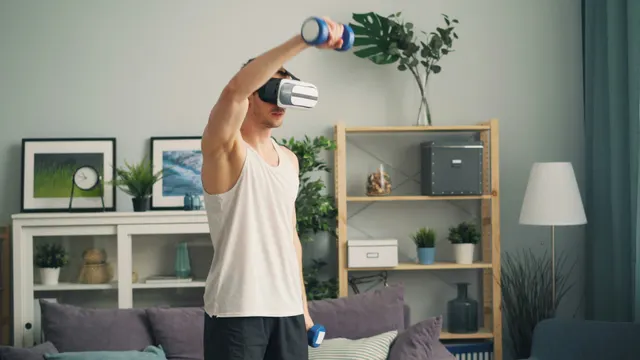
Effectiveness of VR therapy in the treatment of anxiety disorders in adolescents and adults
VR therapy interventions show a positive effect on reducing anxiety in patients with anxiety disorders, but further high-quality studies are needed to confirm these findings due to limitations in the existing literature.
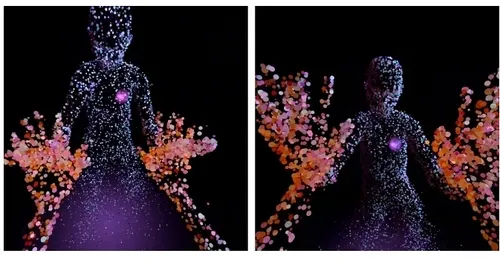
Embodied Telepresent Connection (ETC): Exploring Virtual Social Touch Through Pseudohaptics
The research explores the use of pseudo-haptics to create an embodied illusion of social touch in virtual reality through a prototype called ETC. It involves interaction patterns that simulate touch using visuals, sounds, and biosignal representation. Initial observations from events and workshops indicate that this approach can foster a subtle yet intimate experience of virtual social connection.
Emotional Beasts
Advancements in VR and physiological sensing enable immersive communication through lifelike avatars. The proposed solution involves integrating bio-signal sensors to detect users' emotional states and creating expressive avatars, termed Emotional Beasts. This approach aims to enhance self-expression and emotional connection in VR, moving beyond surface-level experiences to foster deeper human interactions.
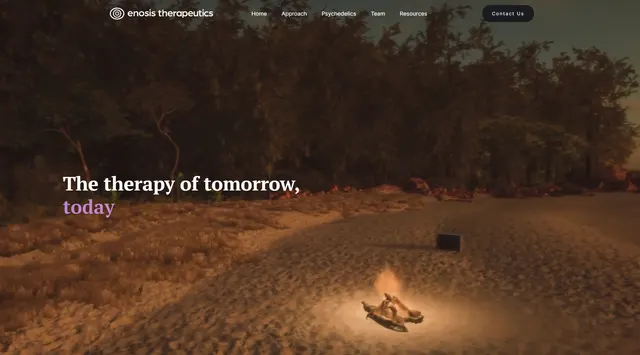
Enosis Therapeutics wants to optimise psychedelic therapy with VR
Enosis Therapeutics and Psylo are leveraging technology in Australia to advance medicinal psychedelic therapy, with Enosis focusing on virtual reality tools for integration therapy and Psylo developing non-hallucinogenic synthetic compounds. Australia has become the first country to legalize psychedelic-assisted therapies for conditions like treatment-resistant depression and PTSD.

Exploring Peak Experiences through Multi-Sensory Extended Reality
Research explores how Multi-Sensory Extended Reality (MSXR) can induce Peak Experiences and altered states of consciousness to improve mental health. The study uses a qualitative phenomenological approach to capture participants' experiences and perceived therapeutic benefits, aiming to enhance the role of immersive technologies in mental health interventions and contribute to counseling psychology and consciousness studies.
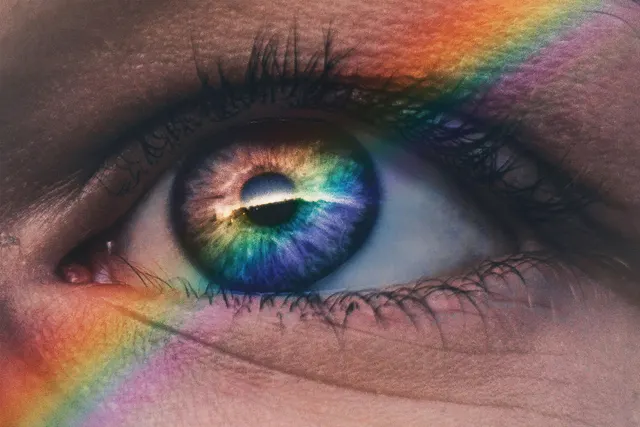
Eye movements in virtual environments
Recent advancements in virtual reality (VR) with embedded eye-tracking offer new opportunities for research, but they also present unique challenges for data collection and analysis. This paper discusses best practices for validating 3D gaze-tracking in VR, highlighting a pilot study that indicates accuracy may vary with stimulus distance and cautions against relying solely on vergence for estimating gaze depth.
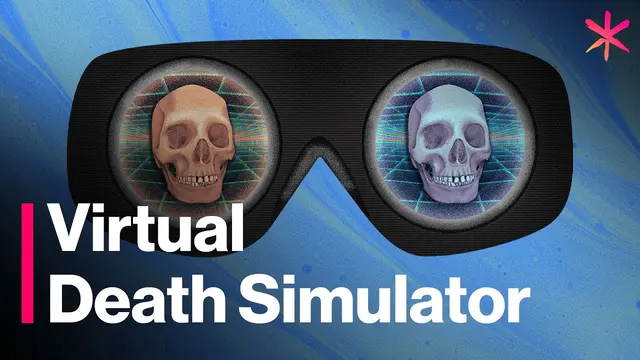
Facing the Fear of Death in Virtual Reality
A video explores the theme of confronting the fear of death through the lens of virtual reality, highlighting its implications for society and technology.
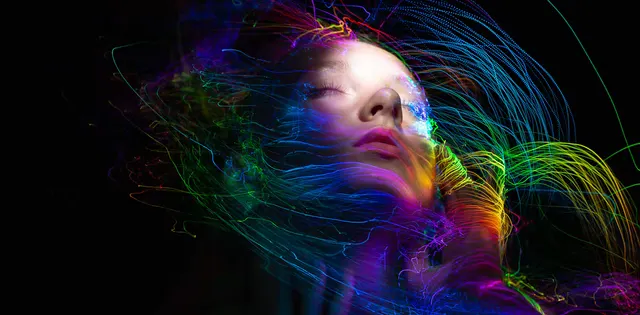
Flicker light stimulation enhances the emotional response to music: a comparison study to the effects of psychedelics
Flicker light stimulation (FLS) enhances emotional responses to music, similar to the effects of psychedelics. In a study with twenty participants, FLS significantly increased reported emotions, particularly "Joyful Activation," and intensity of FLS correlated with higher emotional arousal. These findings suggest further exploration of FLS as a method for inducing altered states of consciousness and its interaction with music-evoked emotions.
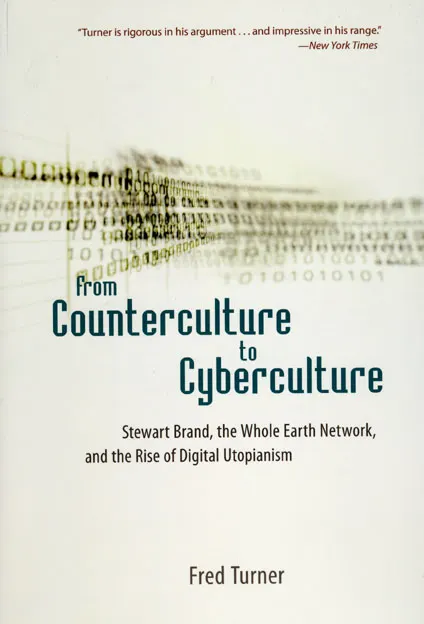
From Counterculture to Cyberculture
Fred Turner shows how the 1960s counterculture and the Whole Earth network influenced digital utopianism, virtual communities, and personal computing, highlighting the cultural link between psychedelic ideas and the rise of networked technology.
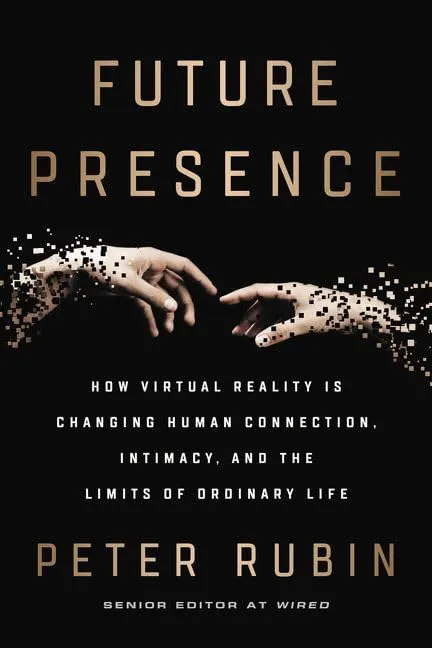
Future Presence: How Virtual Reality Is Changing Human Connection, Intimacy, and the Limits of Ordinary Life
Virtual reality is set to revolutionize human connection and intimacy, enabling individuals to experience sensations of closeness and trust independently for the first time. This technology, described as an "intimacy engine," will transform work, entertainment, and emotional experiences, fundamentally altering relationships and societal dynamics. The exploration includes insights from creators and users of VR, showcasing its current capabilities and future implications for empathy, relationships, and human interaction.
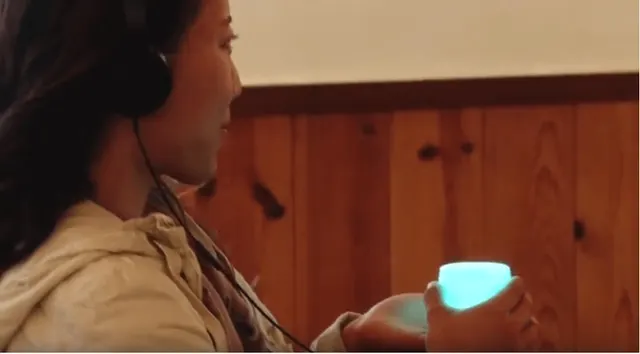
GroupFlow: Toward a New Paradigm of Human Connection
GroupFlow is a biofeedback system that transforms real-time heart and breath data from groups into sound, light, and music, enhancing feelings of connection and spiritual depth. Experimental sessions at Esalen showed that participants experienced increased interoceptive awareness, emotional healing, and a stronger sense of belonging, contributing to research on how synchronized physiology can alleviate loneliness and promote human flourishing.
Hackers (1995)
A 1995 movie directed by Iain Softley, featuring themes of cyberdelia and cyberpunk, with a rating of 6.2. It falls under the genres of crime, drama, and romance.
Hyperhuman Techniques
Hyperhuman Techniques is a tool featured in a spiritual technology database, focusing on topics like altered states, mindfulness, psychology, and spirituality. More information can be found at the provided URL.
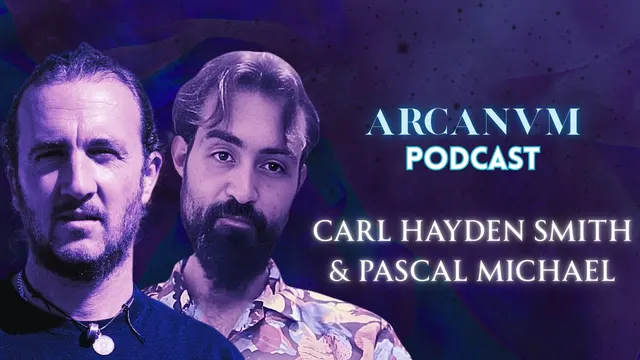
Hyperhumanism, Technomancy & Shamanism in the 21st Century w. Carl Hayden Smith & Pascal Michael
Podcast featuring discussions on hyperhumanism, technomancy, and shamanism in the 21st century, exploring themes of aliens, future societies, psychology, spirituality, and technology.
Hyperhumanism: Reclaiming Our Humanity in the Age of AI
Exploration of hyperhumanism emphasizes reclaiming humanity amidst advancements in AI, touching on themes of art, culture, philosophy, and spirituality, as discussed in a podcast featuring Carl Hayden Smith.
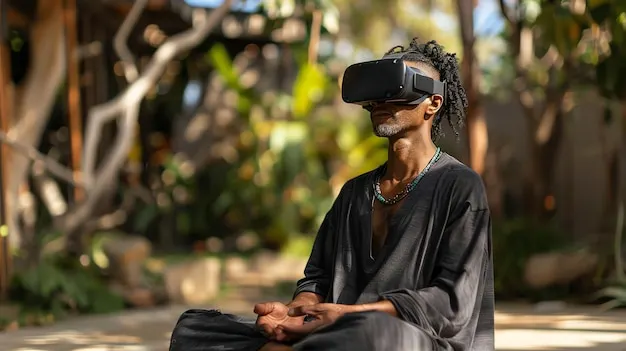
Immersive virtual reality or computerised mindfulness meditation for improving mood?
Mindfulness interventions effectively improve mood and reduce stress. This study compares the efficacy of immersive virtual reality-based mindfulness with computerised mindfulness meditation in a pilot trial, also examining potential simulator sickness effects on user engagement.
Integrating SoundSelf in Ketamine Clinics
Ketamine clinics, effective for treatment-resistant depression, can enhance patient outcomes by integrating immersive technologies like SoundSelf. This biofeedback and neuro-stimulation tool serves as an adjunctive intervention, potentially improving the therapeutic experience for patients undergoing ketamine therapy.
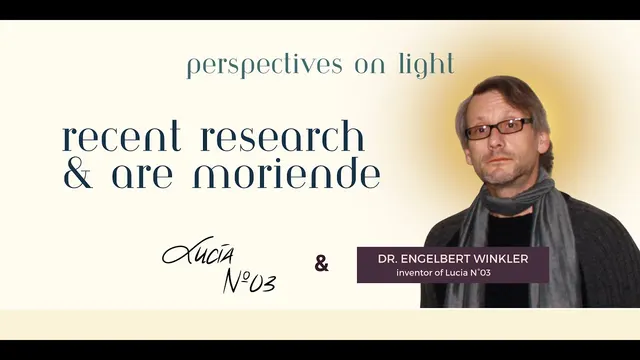
Interview with Dr. Engelbert Winkler, co-Inventor of Lucia N°03 Light Technology
Interview with Dr. Engelbert Winkler discusses the Lucia N°03 Light Technology, highlighting its relevance in psychology, science, and technology. The content is available as a video for viewers interested in these subjects.
Invoking Double Consciousness with VR & Psychedelics + Navigating the New Screen Deal – Voices of VR Podcast
Discussion on the intersection of VR and psychedelics, exploring concepts like double consciousness and the implications of new screen technologies within the context of art, culture, and philosophy.
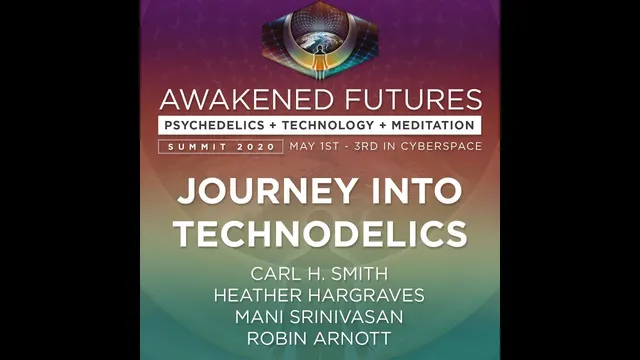
Journey Into Technodelics | Awakened Futures Summit 2020
A video from Consciousness Hacking discusses the intersection of psychedelics and technology, exploring themes of cyberdelia and future possibilities. Related videos are also mentioned.
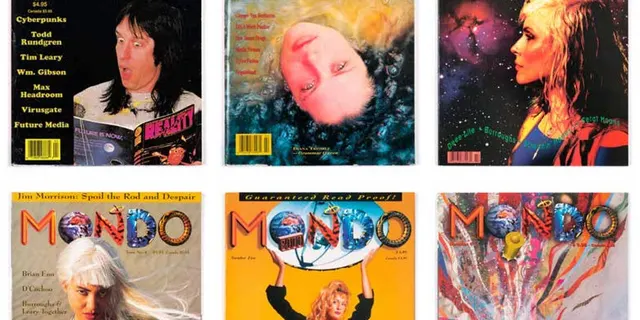
Let's all meet up in the year Mondo 2000
Joe Pompeo explores Mondo 2000, a cyberpunk magazine that blended techno-futurism, psychedelics, and early Internet visions, highlighting its influence on today's digital culture. He discusses its rise in the early 1990s, its recent revival in "MONDO VISION," and editor R.U. Sirius's insights on the magazine's accurate predictions about technology's impact on society.

Magic, VR, and Ketamine & Internal Family Systems
Virtual reality is not a substitute for therapists; in-person human connections will become increasingly valuable as technology advances. Creative expression through art, music, or movement can preserve the depth of ineffable experiences, avoiding oversimplification through verbalization.
My Father, the VR Meditator: A Conversation on Life, Death, and the Power of Presence
Jeremy Nickel interviews his father about the evolution of meditation practice from seeking higher states to using it for everyday presence. They discuss how VR meditation reduces judgment, aids in facing mortality and grief, and how simple attention practices can transform fear into acceptance and engagement with life's transitions.
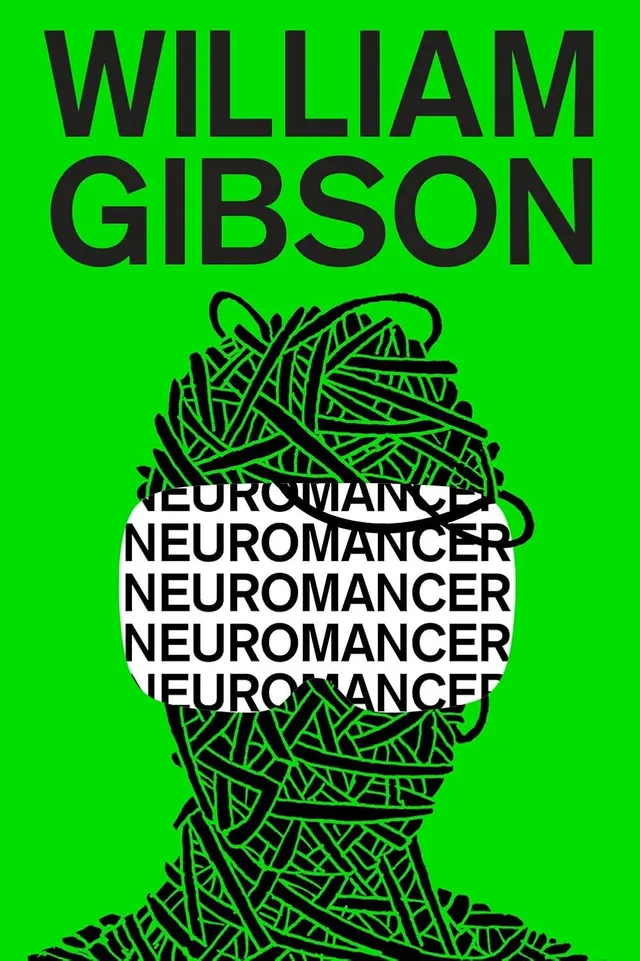
Neuromancer
A washed-up hacker named Henry Case, unable to access cyberspace due to a damaged nervous system, is recruited by a mysterious employer for a high-stakes heist involving powerful AIs. Alongside a cyborg mercenary, he navigates a gritty, dystopian future, exploring themes of humanity, technology, and identity.
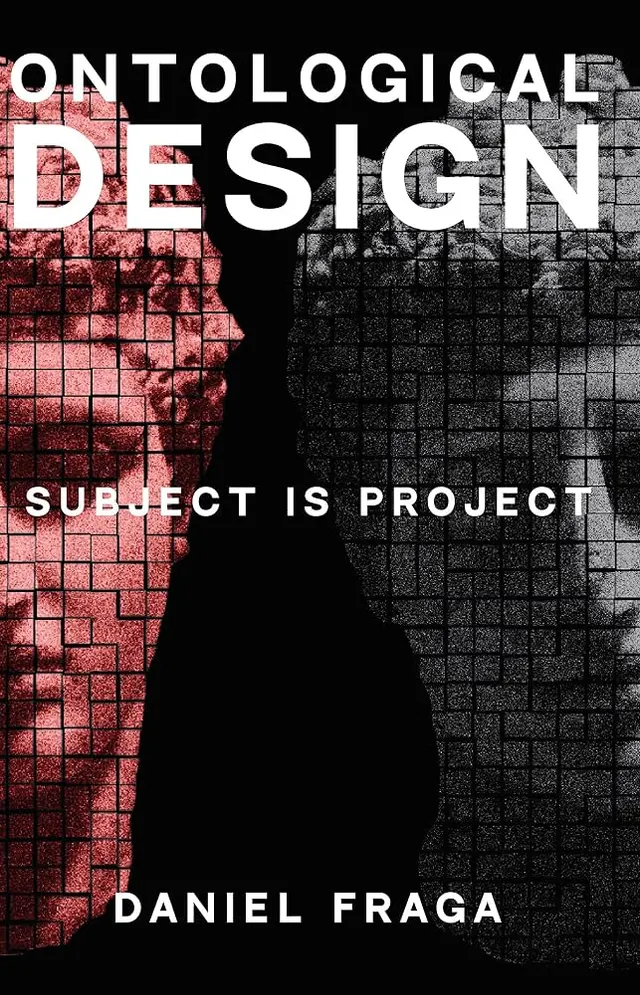
Ontological Design: Subject is Project
Ontological design focuses on designing human subjects through a feedback loop, emphasizing the need to adapt to the disruptions of technocapitalism. It frames the subject as a project influenced by social relations, behavior, and beliefs, aiming to engage with our sense of existence and reality while questioning and designing our understanding of it.
Psychedelics + Technology + Meditation: Consciousness Hacking’s Awakened Futures Summit
Discussion on the intersection of psychedelics, technology, and meditation, focusing on consciousness hacking and its potential future impacts. The content is part of a podcast episode from 2019 by Kent Bye, exploring themes of mindfulness and innovation.
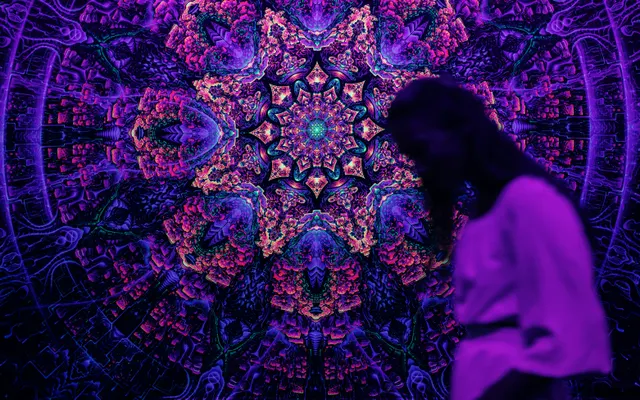
Psychedelics and Virtual Reality: Where Novel Experience, Technology, and Altered States of Consciousness Meet
Enosis Therapeutics explores the use of virtual reality, with or without psychedelics, to enhance mental health outcomes. They aim to address the challenge of retaining insights gained during psychedelic experiences by leveraging VR's immersive environments to create a unique state that helps patients anchor their experiences and understand their newfound insights more clearly.
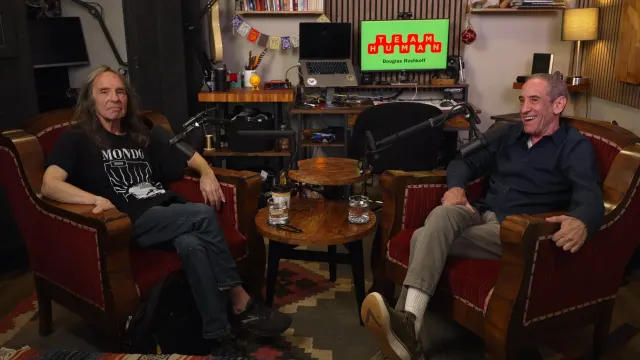
R.U. Sirius: Reality is up For Grabs | Team Human
Podcast episode featuring R.U. Sirius discussing themes of art, culture, cyberculture, psychedelics, psychology, and technology, emphasizing the idea that reality is open to interpretation and change. Available at Team Human's website.
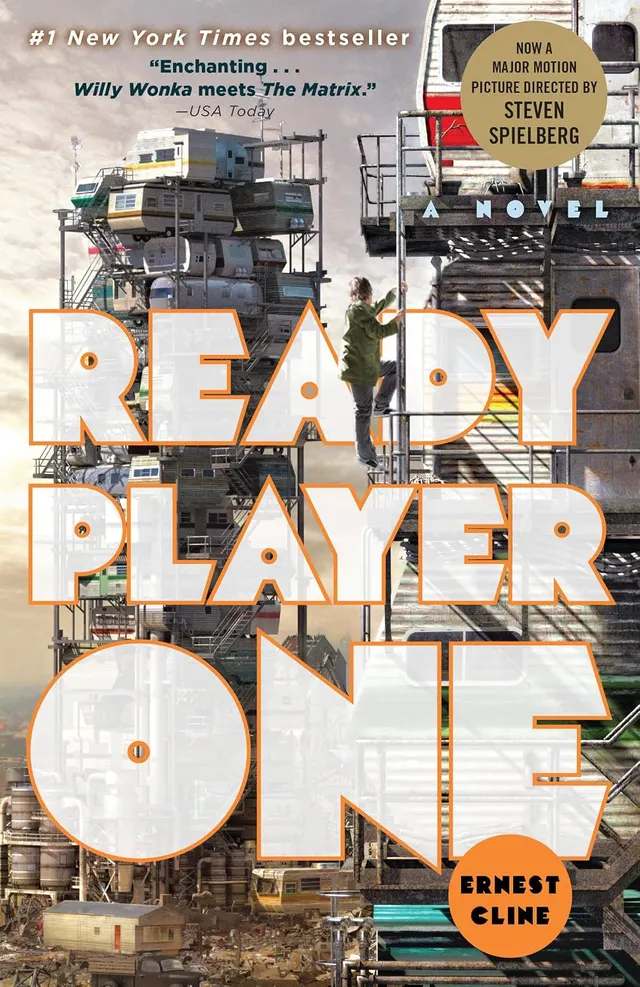
Ready Player One
In 2045, Wade Watts escapes a bleak reality by immersing himself in the OASIS, a vast virtual world. After the creator's death, he leaves behind challenging puzzles tied to pop culture, with the winner inheriting his fortune and control of the OASIS. As Wade solves the first clue, he faces deadly rivals in a race for survival and the ultimate prize.
Recuerda Club
Recuerda Club es un canal que explora temas como el anarquivismo, la cultura, la ciber cultura, la psicodelia, la psicología, la espiritualidad y la tecnología. Se puede acceder a más información en su sitio web.

Replications - Reddit
A Reddit channel titled "Replications" focuses on topics related to computer science, psychedelics, and technology, created by Josie Kins in 2014. Additional channels are mentioned, but details are not provided.
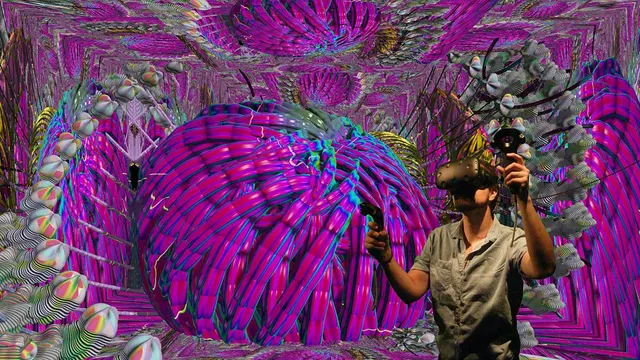
Rift Into The Mind
A Reddit channel titled "Rift Into The Mind" focuses on culture, psychedelics, technology, and virtual reality, created by JonesRG in 2014. It features related content and links for further exploration.

Shrooms Won’t Make You Believe in God, But They Might Convince You That Robots Have Feelings
A study from Johns Hopkins University indicates that a single psilocybin experience is unlikely to convert atheists to belief in God or alter perceptions of free will. However, it may lead individuals to perceive consciousness in animals, plants, and even inanimate objects like robots. Participants showed slight shifts in attributing consciousness to certain creatures, but their religious and metaphysical beliefs remained largely unchanged.
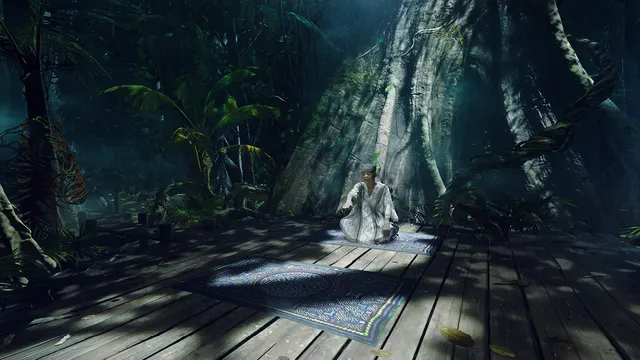
Sipping the virtual elixir: An autoethnographic close reading of Ayahuasca Kosmik Journey, a self-transcendent virtual experience
Self-transcendent experiences in ancient psychedelic ceremonies, like ayahuasca, can be explored through virtual reality (VR) as a legal alternative. An autoethnographic analysis of Ayahuasca Kosmik Journey reveals insights into the design and experience of cyberdelic interactions, highlighting themes of agency, embodiment, and self-transcendence. The study emphasizes the role of spatiality and sensory engagement in evoking profound emotional responses, while also addressing the limitations of immersive technology in replicating these experiences.
Spirit Tech 3.0: Can We Meet the Moment?
Spirit Tech 3.0 represents a shift towards spiritually oriented technology that transcends basic mindfulness apps, focusing on personalized, transformative tools rooted in contemplative science. It discusses the evolution from early biofeedback devices to AI companions and advanced sensing technologies, emphasizing the need for ethical standards and governance to prevent the replication of extractive tech culture.
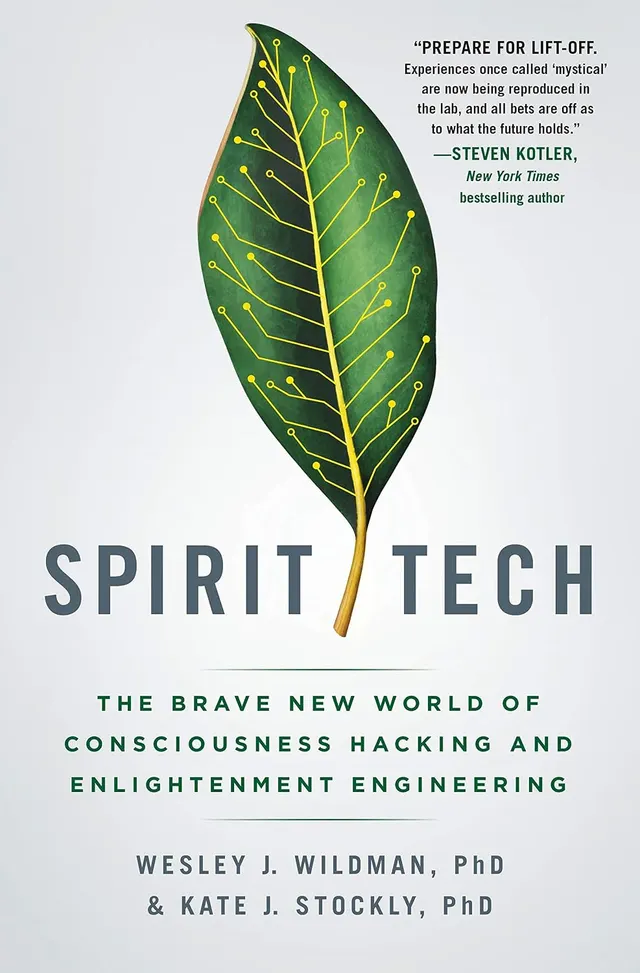
Spirit Tech: The Brave New World of Consciousness Hacking and Enlightenment Engineering
Explores the intersection of technology and spirituality, highlighting innovations like wearables for meditation, the "God Helmet" for enhancing psychic abilities, and psychedelic tourism. It examines ethical considerations and the transformative potential of "spirit tech" in personal growth and religious practices, providing insights into a rapidly evolving landscape of consciousness hacking.
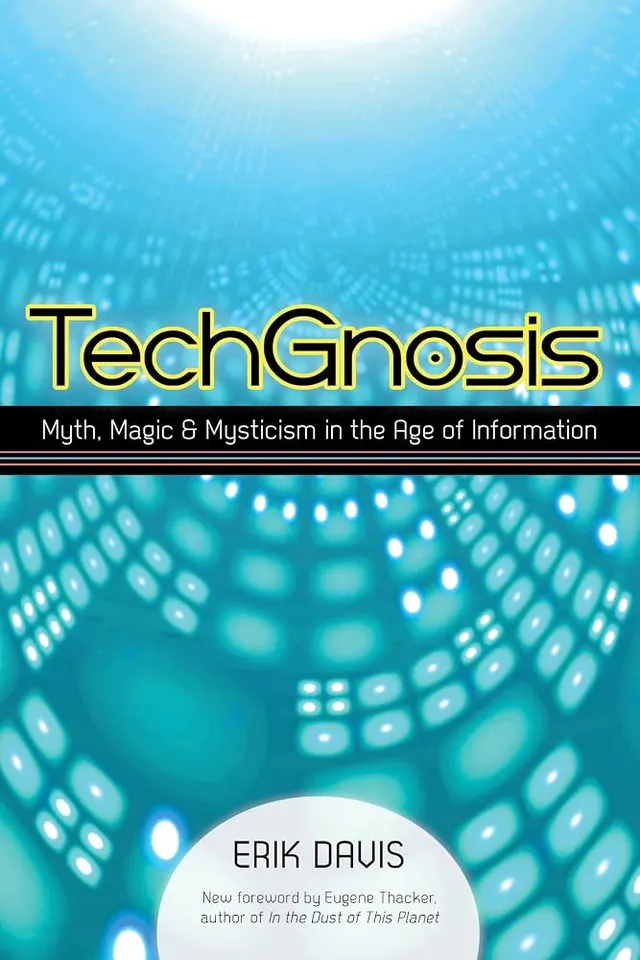
TechGnosis: Myth, Magic & Mysticism in the Age of Information
Erik Davis explores the intersection of technology and spirituality, revealing how religious and esoteric ideas influence technological communication. He connects topics like electricity and alchemy, online gaming and occult practices, and virtual reality with gnostic mythology. The work also discusses apocalyptic visions related to technology, offering historical context and insights into a future where mind and machine intertwine.
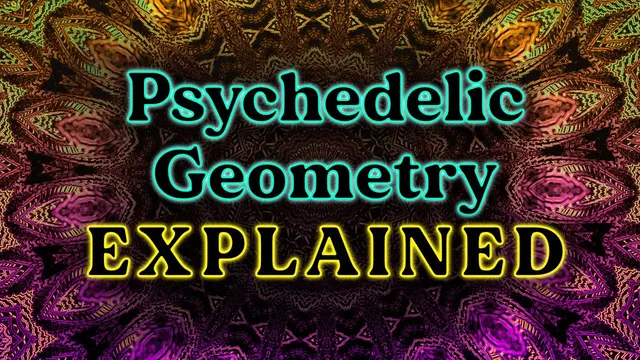
The 4 Levels of Psychedelic Geometry (Ft. @LokaVision)
A video by Josie Kins explores the intersection of art, culture, and psychedelics, focusing on the concept of psychedelic geometry and its implications for spirituality and technology. Related content can be found through the provided YouTube link.
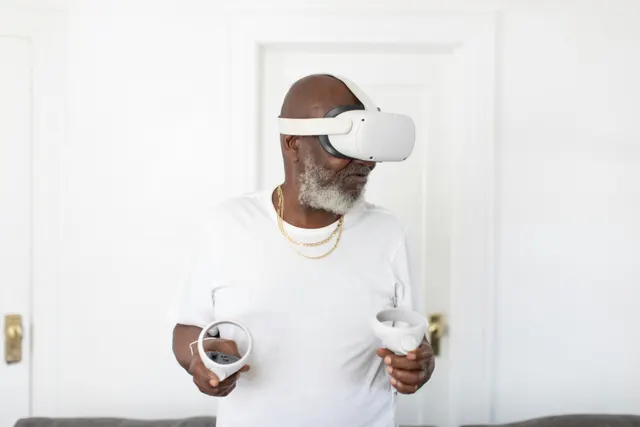
The effects of VR interventions on occupational participation and distress from symptoms in palliative care patients.
Virtual reality (VR) interventions, such as meditation, can reduce psychological distress and physical pain in palliative care patients while helping them achieve personal goals like coping with pain or relaxation. Low-immersion VR experiences are effective and well-accepted, with minimal participant burden and reported benefits outweighing any sadness from reminiscence. VR presents a valuable tool for occupational therapists in palliative care settings.
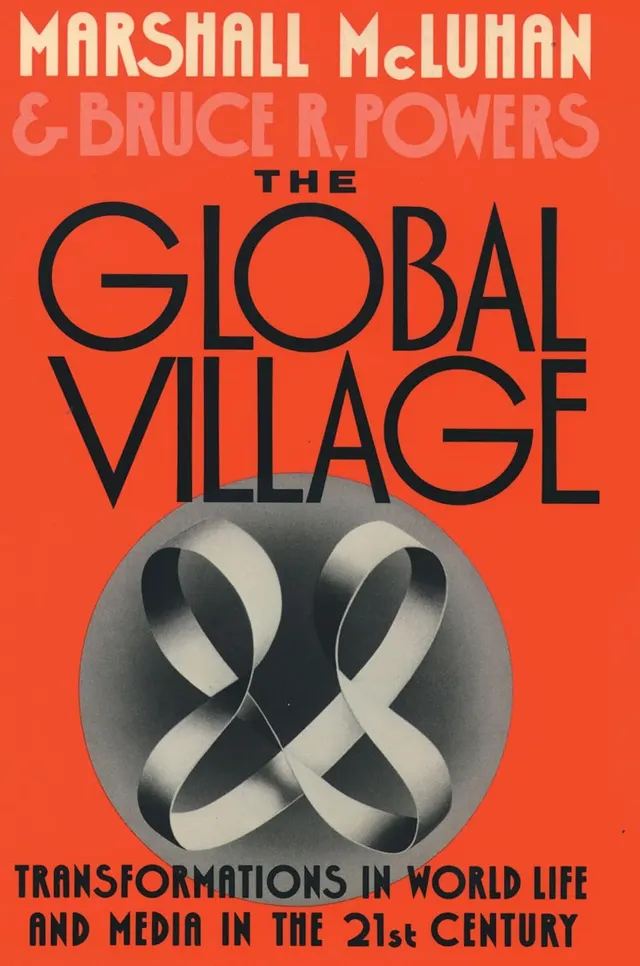
The Global Village: Transformations in World Life and Media in the 21st Century
The authors explore the clash between Visual Space, a linear perception typical of the West, and Acoustic Space, a holistic view common in the East, in the context of today's global communications. They argue that technological advancements are pushing users towards a more dynamic understanding of the world, but warn that this transition may be challenging. Using McLuhan's Tetrad framework, they analyze the implications of these competing worldviews and emphasize the importance of understanding both to achieve peace.
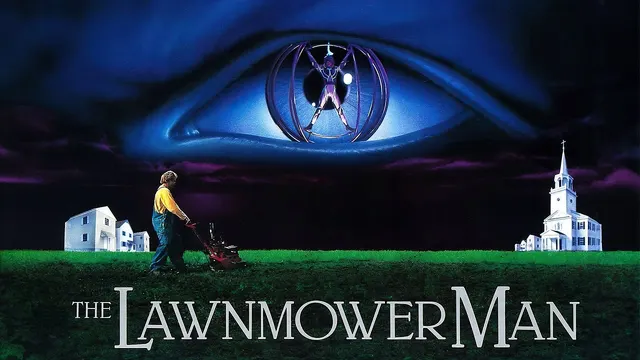
The Lawnmower Man
A 1992 movie directed by Brett Leonard, featuring themes of cyberpunk, psychology, and technology, particularly in virtual reality. The film has a rating of 5.4 and falls under the horror and sci-fi genres.
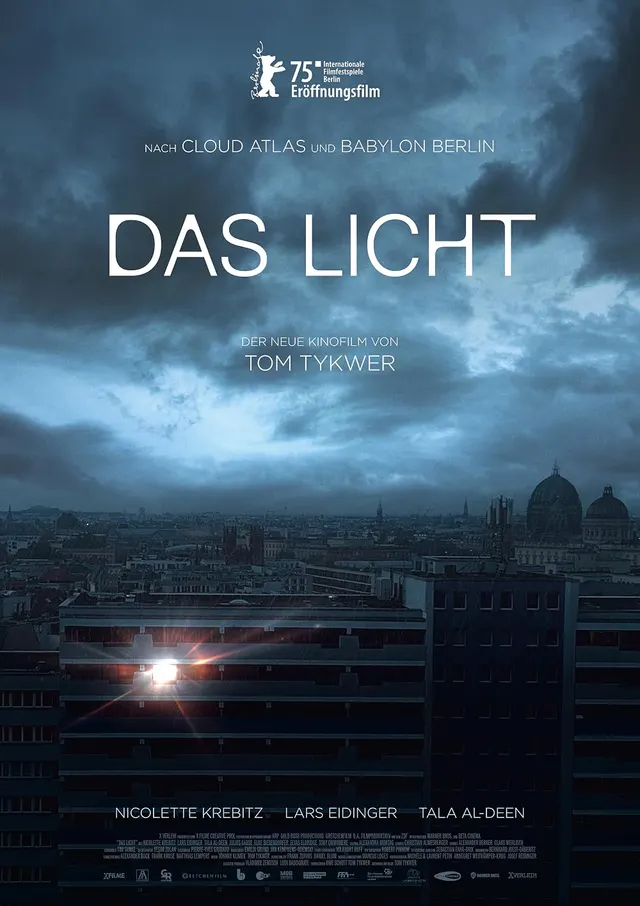
The Light
A movie titled "The Light," directed by Tom Tykwer, explores themes of flicker light stimulation, psychology, spirituality, and technology, and is set to be released in 2025. More information can be found on its IMDb page.
The Light and Dark Sides of VR
Virtual Reality (VR) has diverse applications in entertainment, education, therapy, and research, enhancing communication and wellbeing. However, it also poses risks from overuse and unethical design, potentially leading to negative effects, especially in vulnerable users. Identifying these risks and establishing safety guidelines is crucial as VR becomes more integrated into daily life.
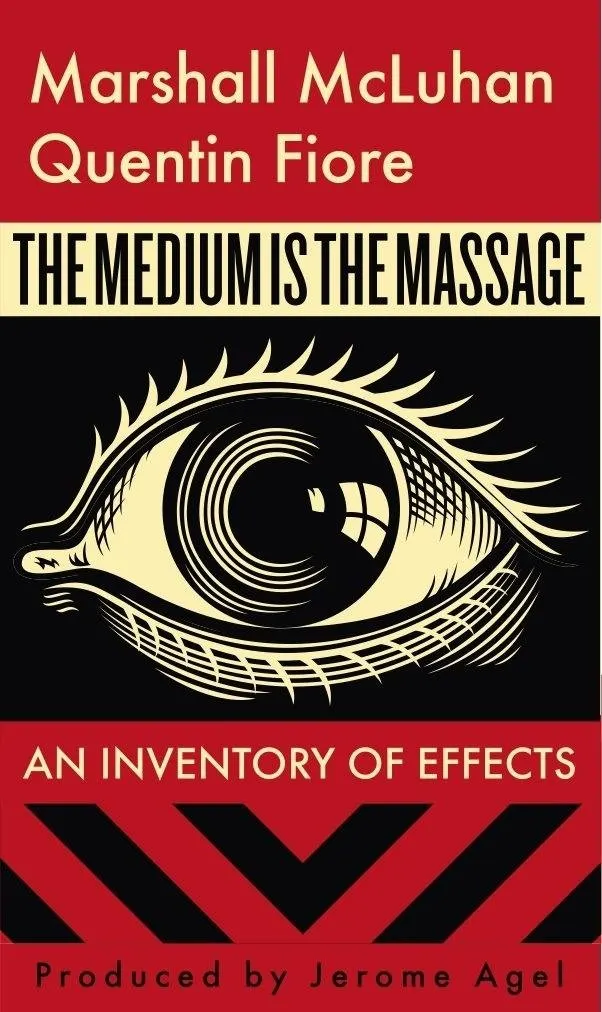
The Medium is the Massage
Marshall McLuhan's work emphasizes that media profoundly shape society beyond just their content, influencing personal and social aspects. Despite the enjoyment derived from mainstream media, it masks deeper societal anxieties due to incongruities between technology and society. His insights are increasingly relevant in the context of the digital revolution and the internet's rise.
The New Skill in AI is Not Prompting, It's Context Engineering
Context Engineering is emerging as a crucial skill in AI, shifting the focus from prompt engineering to providing comprehensive context for tasks. The success of AI agents increasingly depends on the quality of context provided, with many failures attributed to context rather than model issues.
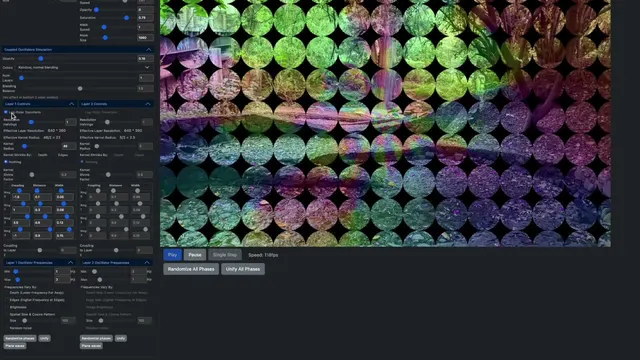
The Oscilleditor
The Oscilleditor is a GUI tool developed by QRI for modeling psychedelic visual phenomenology using coupled oscillators. It allows users to reconstruct and study non-ordinary visual experiences through advanced features like spatial drifting and chaotic coupling. The tool integrates insights from previous research and aims to create structured datasets linking subjective experiences to neurodynamics, offering significant scientific value. Instruction manuals and tutorials are available for users.
The Reality of VR
The fundamental question surrounding virtual reality (VR) is its level of realism, which influences its perception as either advanced computer technology or a distinct media experience. This understanding is essential for utilizing VR in scientific learning and therapeutic applications.
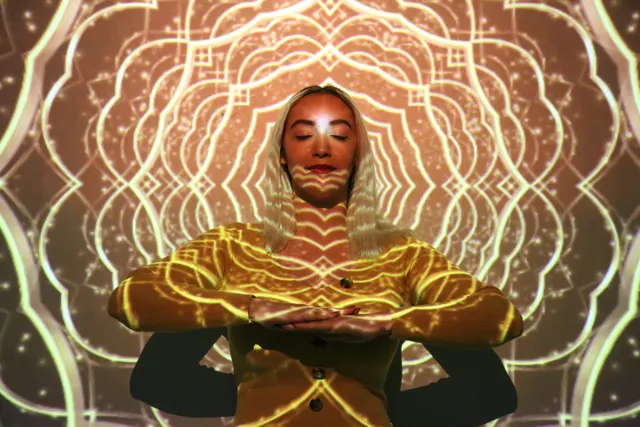
The Rise of Spiritual Technologies
Nichol Bradford, executive director of the Transformative Technology Lab, explores technology-based solutions for happiness and spiritual awakening, influenced by breakthroughs in psychedelic medicine and meditation studies. She emphasizes the potential of a $4 trillion market for wellness technologies, accelerated by the Covid-19 pandemic.
The Technodelic Manifesto
Technodelics aim to enhance mindfulness and connection in a world facing rising loneliness and depression. They focus on the present moment, using abstract audiovisual elements to stimulate the brain and engage the body in feedback loops. These experiences are immersive, reflective rather than prescriptive, and extend beyond screens into real-life settings, emphasizing the importance of ritual and ceremony.

The Visual Cast
The Visual Cast is a YouTube channel focused on art, cyberdelia, psychedelics, and technology, created by REM Visuals. It features various visual content and links to other channels.
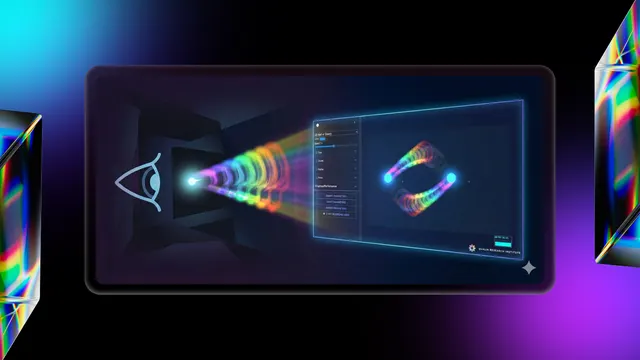
Tracer Replication Tool
The Tracer Replication Tool by the Qualia Research Institute collects quantitative data on psychedelic tracers. Users are guided to familiarize themselves with the tool, track drug dosage and timing, and adjust parameters to match visual experiences. Caution is advised due to the potential risks associated with altered states, and users are encouraged to understand local laws regarding substances. Resources like the Fireside Project helpline are suggested for those with concerns about drug use.
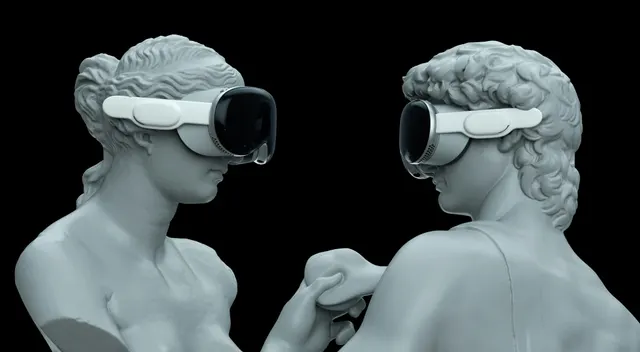
Virtual Reality and Empathy
Virtual reality (VR) has the potential to enhance empathy through immersive experiences, but empirical evidence is limited. This research topic explores how VR experiences can be designed to foster empathy, the consequences of such experiences, and the conditions under which they may lead to negative effects. It invites contributions on psychological models, design factors, measurement innovations, neuroscientific insights, practical implications, and ethical considerations related to VR as an "empathy machine."
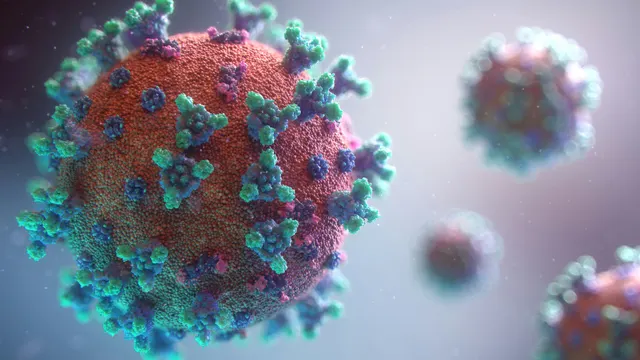
VR for Enhancement of Emotional Mindset in the First Lockdown of United Kingdom for the Covid-19 Pandemics
During the UK lockdown from March to May 2020, data from the Office for National Statistics revealed significant changes in people's behavior. The use of the Virtual Reality app TRIPP for meditation was found to effectively enhance psychological and emotional mindsets during this challenging period.
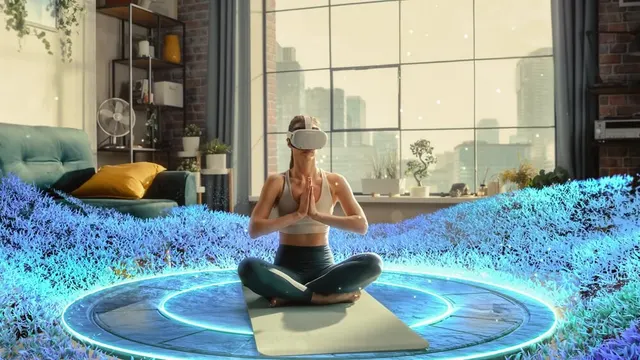
VR for relaxation. Best virtual reality relaxation apps
Virtual reality is becoming a significant tool for relaxation and mental health, utilizing immersive environments and mindfulness exercises to alleviate stress and anxiety. The article reviews scientific evidence, user challenges, and criteria for selecting VR apps, comparing leading platforms like TRIPP, Nature Treks VR, and others based on features, therapeutic value, pricing, and accessibility.
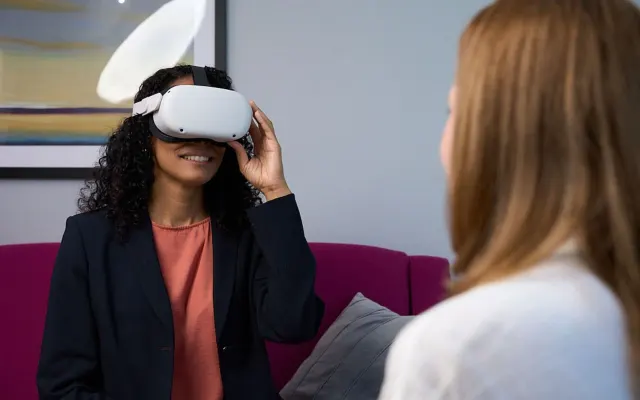
VR Therapy in Palliative Care: A Case Series
Virtual reality (VR) therapy offers potential benefits for reducing symptom burden in palliative care patients. This case series evaluates the feasibility and acceptability of using VR therapy in this population, addressing a gap in existing research on its application in palliative settings.

VR vs. Lumena's Reflective Chamber (MindGym)
A study from the Institute for Advanced Consciousness Studies reveals that anxiety-reducing experiences in a new reflective chamber called MindGym can be effectively translated into virtual reality formats, enhancing accessibility for anxiety management tools.
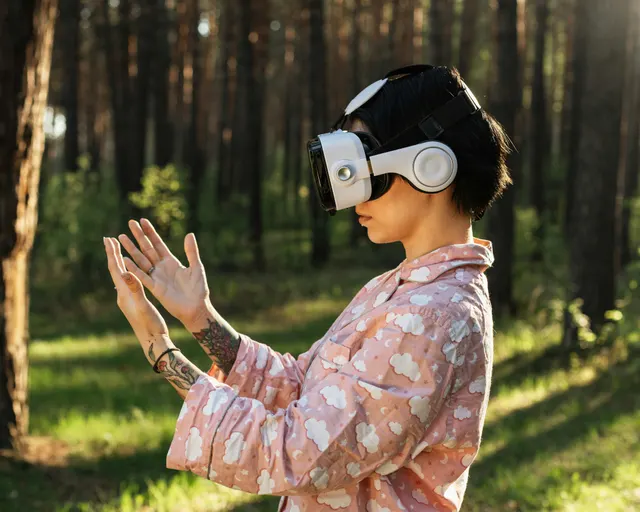
VR-based relaxation for enhancement of perioperative well-being, mood and quality of life - Scientific Reports
Virtual Reality (VR) is emerging as a cost-effective digital therapeutic tool for stress reduction, improving symptoms of anxiety and depression, and enhancing psychological well-being, particularly in cancer patients. VR interventions create immersive environments that distract users from their immediate surroundings, potentially reducing perioperative stress and improving quality of life and patient satisfaction during surgery.
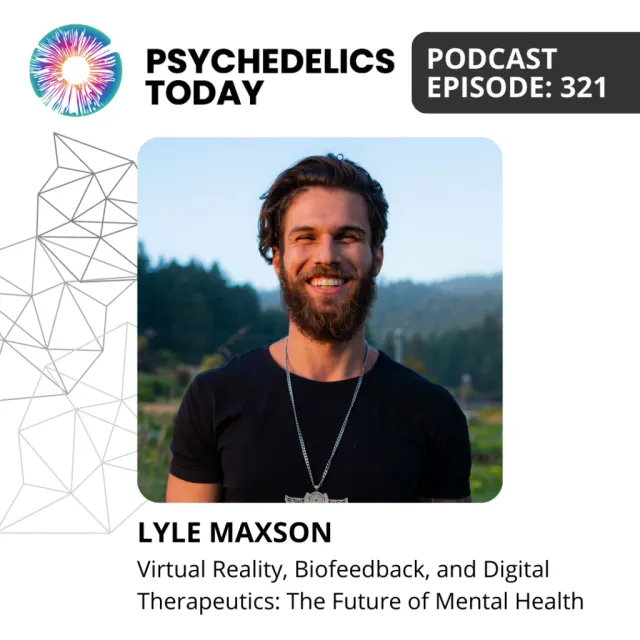
VR, Biofeedback, and Digital Therapeutics: The Future of Mental Health
Exploration of the intersection of virtual reality, biofeedback, and digital therapeutics in enhancing mental health treatments, emphasizing the potential of technology in psychology and psychedelics.

What It's Like to Take a Psychedelic Trip Without Drugs
A journalist explores the Reality Center in Santa Monica, which uses light, sound, and vibration to create psychedelic-like experiences without drugs. While the sessions provide stunning visuals and relaxation, they lack the depth of traditional psychedelic trips, raising concerns about the commercialization of psychedelic culture.
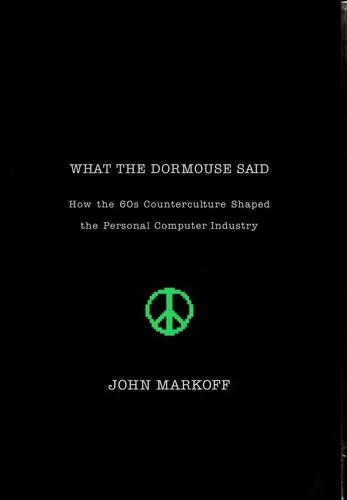
What the Dormouse Said
John Markoff shows how 1960s counterculture and expanded consciousness shaped the personal‑computer industry, linking psychedelic culture, information technology, and the belief that computers can broaden human freedom.

Whole Earth Catalog: Access To Tools
Individuals are gaining personal power to shape their own education and environment, seeking tools that facilitate this process, as traditional systems have obscured real gains with significant defects. The Next Earth Catalog promotes these empowering tools.

Why I've Never Mixed Weed With Virtual Reality
Combining virtual reality with cannabis may diminish the unique experiences each offers, as both have transformative qualities that can be compromised when mixed. The author reflects on their fascination with virtual reality since adolescence, influenced by cultural works like Snow Crash and Lawnmower Man.