Knowledge · Book
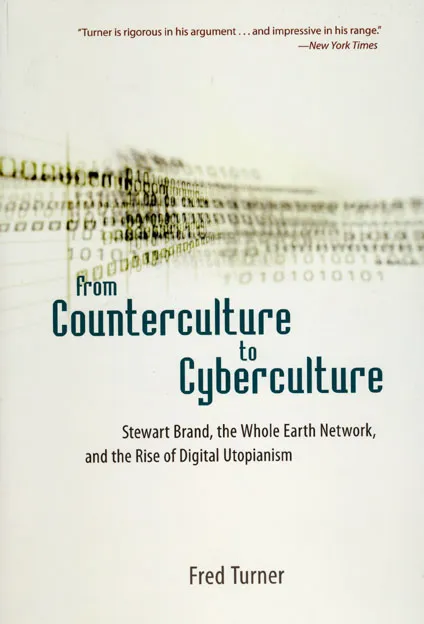
From Counterculture to Cyberculture
By Fred Turner
Fred Turner shows how the 1960s counterculture and the Whole Earth network influenced digital utopianism, virtual communities, and personal computing, highlighting the cultural link between psychedelic ideas and the rise of networked technology.
Summary
About the book
From Counterculture to Cyberculture : Stewart Brand, the Whole Earth Network, and the Rise of Digital Utopianism
Fred Turner traces how parts of the 1960s counterculture and the Whole Earth network helped shape digital utopianism, virtual community, and the culture around personal computing. It is relevant to cyberdelics as historical context for the cultural bridge between psychedelic-era ideas and networked technology, without claiming that the book itself produces an altered state.
https://www.amazon.com/Counterculture-Cyberculture-Stewart-Network-Utopianism/
Related
More like this
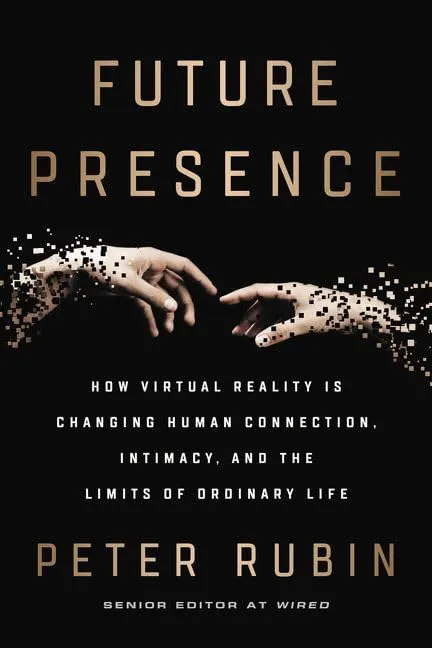
Future Presence: How Virtual Reality Is Changing Human Connection, Intimacy, and the Limits of Ordinary Life
Virtual reality is set to revolutionize human connection and intimacy, enabling individuals to experience sensations of closeness and trust independently for the first time. This technology, described as an "intimacy engine," will transform work, entertainment, and emotional experiences, fundamentally altering relationships and societal dynamics. The exploration includes insights from creators and users of VR, showcasing its current capabilities and future implications for empathy, relationships, and human interaction.
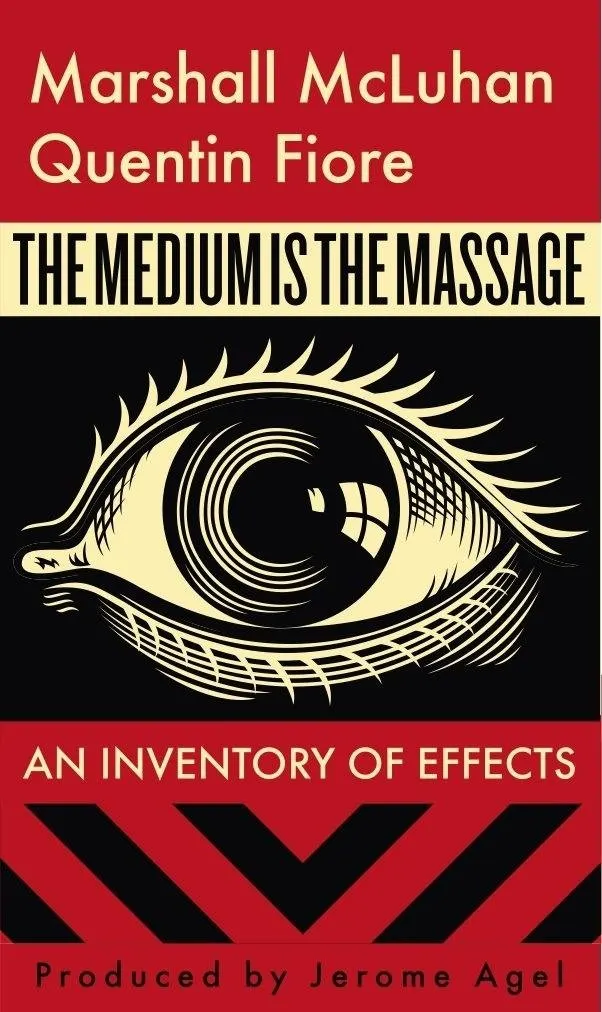
The Medium is the Massage
Marshall McLuhan's work emphasizes that media profoundly shape society beyond just their content, influencing personal and social aspects. Despite the enjoyment derived from mainstream media, it masks deeper societal anxieties due to incongruities between technology and society. His insights are increasingly relevant in the context of the digital revolution and the internet's rise.
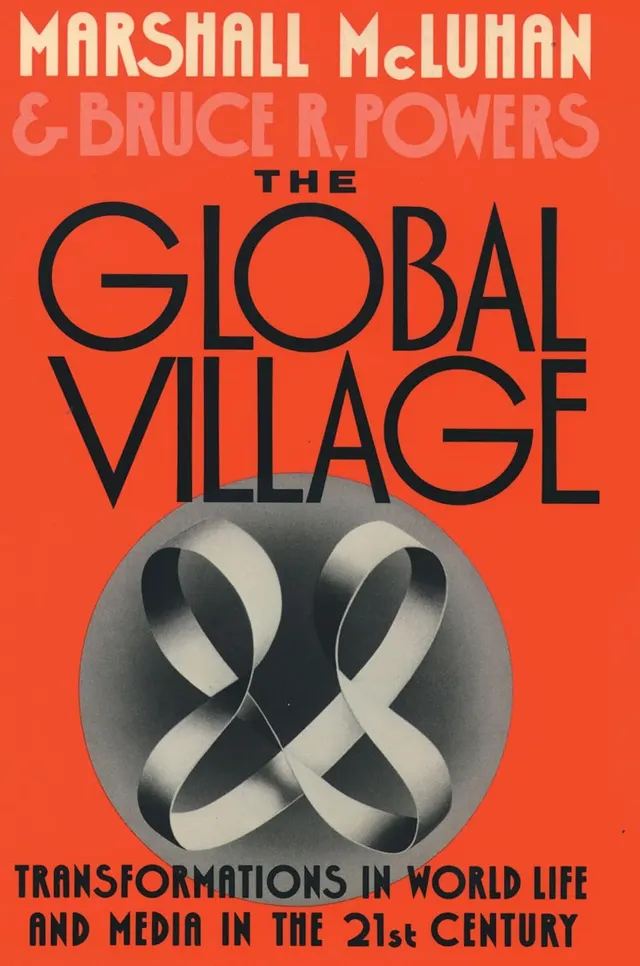
The Global Village: Transformations in World Life and Media in the 21st Century
The authors explore the clash between Visual Space, a linear perception typical of the West, and Acoustic Space, a holistic view common in the East, in the context of today's global communications. They argue that technological advancements are pushing users towards a more dynamic understanding of the world, but warn that this transition may be challenging. Using McLuhan's Tetrad framework, they analyze the implications of these competing worldviews and emphasize the importance of understanding both to achieve peace.
- Editor
- Not recorded yet
- Last reviewed
- Not reviewed yet
Conversation
Share your experience of it
What it was like, what helped, what you would tell someone before they try it.