
Knowledge · Research paper
Technodelic Transformation: A Study on Virtual Reality for Psychological Well-Being
By Sandeep Prakash
Research confirms the efficacy of Virtual Reality (VR) in treating mental health disorders, highlighting its potential as an embodied medicine for transformative experiences similar to psychedelics. The study investigates the effects of SoundSelf VR, focusing on its impact on psychological well-being, transformative processes, and the relationship between non-ordinary states of consciousness and mental health, using a participatory research methodology.
- Kind
- Research paper35 research papers in the bank
- Published
- 2024Where it sits among everything in the Knowledge Bank, by year
- Author
Topics
Abstract
About the paper
Psychological research on Virtual Reality (VR) has confirmed its efficacy in treating a variety of mental health disorders. The current resurgence of scientific interest in VR, along with advances in technology and consumer adoption, has revealed a more far-reaching potential of VR: an embodied medicine for transformative experiences analogous to psychedelic experience.
This dissertation study explores the transformative process facilitated by experiences of a VR application, SoundSelf VR, where the user employs vocal toning to move through a psychedelic, immersive, interactive, and multi-sensory meditation. After presenting the background context, the literature review introduces research on VR, transpersonal approaches to non-ordinary states of consciousness, and a participatory framework to examine processes of transformation.
The methodology section explains the cooperative inquiry protocol and quantitative metrics. The results and discussion sections advance an understanding of (a) the relationship between SoundSelf VR and psychological well-being, as indicated by quantitative outcome measures and qualitative outcomes; (b) the core themes of transformative process ensuing from long-term SoundSelf VR use; (c) the relationship, over time, among transpersonal events, non-ordinary states of consciousness, and psychological well-being; and (d) the value of a participatory research methodology in researching and designing transformative VR applications, particularly when they evoke non-ordinary states of consciousness.
Related
More like this

Could VR change how you trip on ketamine?
Ketamine, once viewed as a party drug, is gaining recognition for its therapeutic potential in treating pain, anxiety, and depression. Researchers are exploring how virtual reality technology could enhance the experience and effectiveness of ketamine therapy.
The CHT Perspective
Center for Humane Technology aims to ensure that powerful technologies develop with accountability, focusing on how technology can better serve society. They bridge the gap between complex technological systems and their societal impacts, exposing the hidden incentives behind significant technologies like social media and artificial intelligence to prevent misalignment.
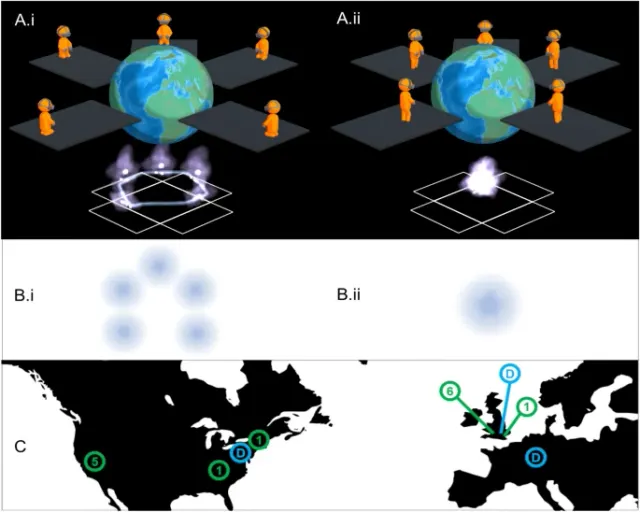
Group VR experiences can produce ego attenuation and connectedness comparable to psychedelics
Research explores the potential of virtual reality (VR) to create self-transcendent experiences (STEs) similar to those induced by psychedelics. Using a framework called 'Isness-distributed', participants in shared VR spaces experience a blurring of self-other boundaries, leading to moments of 'energetic coalescence'. Analysis of 58 participants showed that the subjective experiences in VR were statistically comparable to those reported in psychedelic studies, indicating VR's capability to facilitate intersubjective STEs that dissolve individual ego in connection with others.
- Editor
- Not recorded yet
- Last reviewed
- Not reviewed yet
Conversation
Share your experience of it
What it was like, what helped, what you would tell someone before they try it.