Theme
Psychology
0 experiences and 45 knowledge items.
45 knowledge items
Reading, watching and tools on Psychology
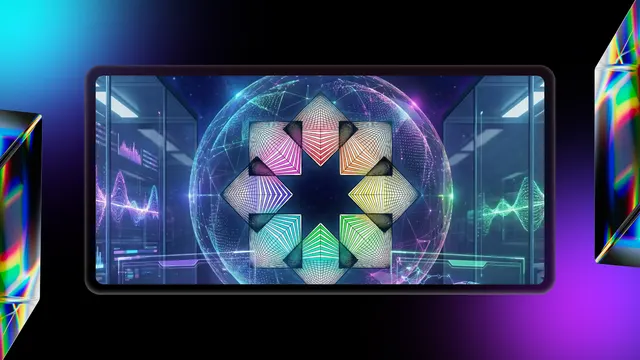
4D Wave Visualization with Continuous Rotations
The 4D Wave Control tool allows users to visualize 4D rotations and matrix transformations, aiding in the understanding of linear algebra concepts. Users can adjust matrices, blend transformations, and explore vector spaces through interactive controls. Tips for effective exploration include making small matrix changes and observing rotations for extended periods to enhance visual intuition.
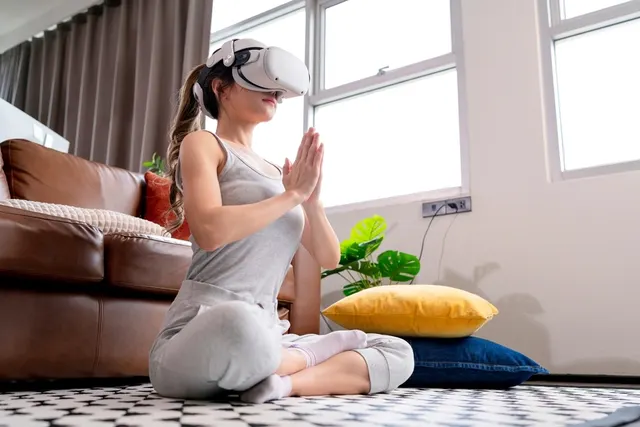
A Holistic Approach to Employee Functioning: Assessing the Impact of a Virtual-Reality Mindfulness Intervention at Work
A workplace virtual reality mindfulness intervention was studied to assess its impact on employee wellbeing, performance, and attitudes. The intervention showed a significant reduction in employee stress but did not consistently improve performance or attitudes. Recommendations for overcoming organizational barriers to enhance job performance and reduce program attrition were provided, highlighting the need for further examination of stress management strategies.
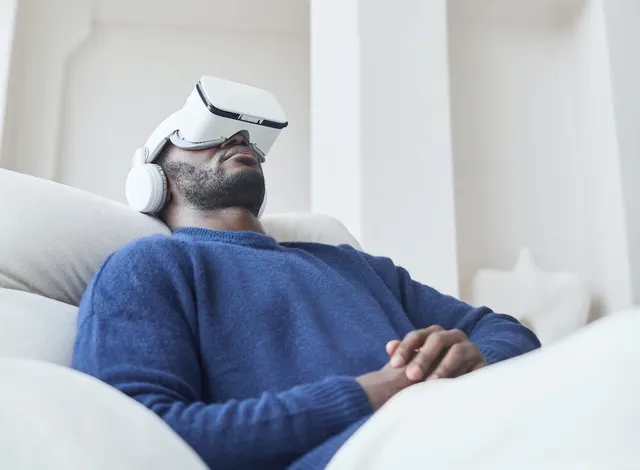
A Virtual Reality Application for Stress Reduction: Design and First Implementation of ERMES Project
The ERMES project utilizes Virtual Reality to enhance psychological well-being by offering immersive experiences aimed at stress reduction. It includes Mindfulness sessions, virtual museum exploration, and Art Therapy activities, allowing patients to engage in therapeutic practices individually or collaboratively in hospital settings.

Active VR Games Reduce Pain Sensitivity in Young, Healthy Adult
Research indicates that engaging in active virtual reality (VR) games can significantly reduce pain sensitivity in young, healthy adults. This effect is primarily attributed to distraction, as participants focus on the VR environment rather than the pain stimulus. Previous studies have shown that both passive and active VR engagement can lead to lower pain levels, but most prior research has concentrated on passive experiences with limited exposure time.
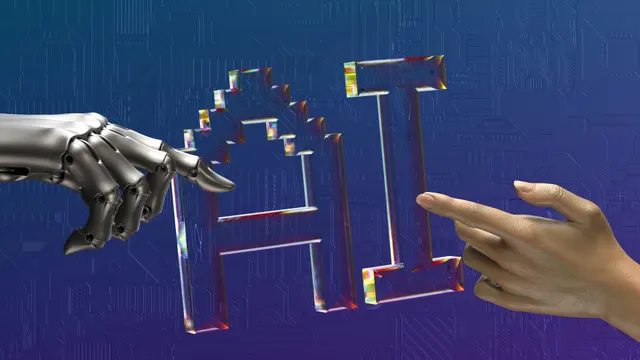
AI Keeps Getting Better at Talking About Consciousness
Current scientific asymmetry exists between the rapid advancement of artificial intelligence and the limited understanding of consciousness. While AI models like Claude 3.0 exhibit traits associated with consciousness, they express uncertainty about their own sentience and inner experiences, highlighting the ongoing philosophical and scientific questions surrounding the nature of consciousness.
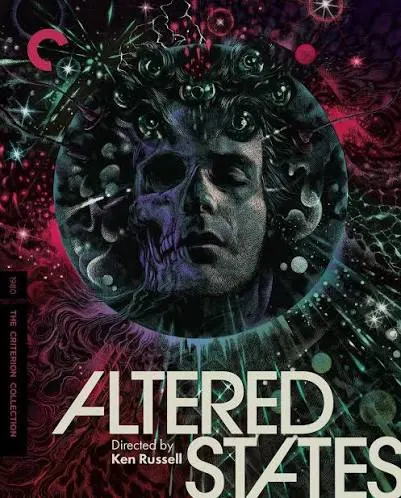
Altered States
Ken Russell’s 1980 film follows a researcher who pushes the limits of consciousness through self‑experiments with psychedelics and technology, depicting altered states and mind‑manifesting tech as a cultural reference rather than a cyberdelic experience.
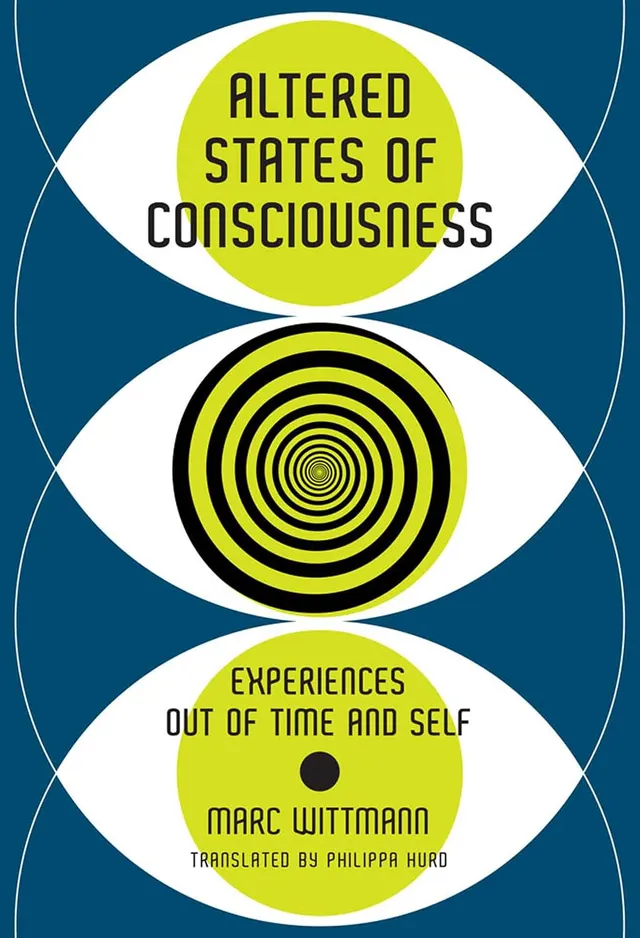
Altered States of Consciousness: Experiences Out of Time and Self
A groundbreaking study explores how altered states of consciousness, such as those experienced during shock, meditation, or drug use, reveal insights into the nature of consciousness. The author, Marc Wittmann, discusses the close relationship between the perception of time and self, examining how extreme experiences can distort these perceptions. He also highlights research on psychedelics and their potential therapeutic uses for conditions like depression and anxiety, arguing that understanding these altered states is crucial for unraveling the mystery of consciousness.

AltVR
AltVR is a YouTube channel focused on art, culture, future, philosophy, psychology, science, spirituality, technology, and virtual reality, launched in 2018. More information can be found at their URL: https://www.youtube.com/@AltVR_YouTube.
Art, Technology, Consciousness
The collection features articles from artists and scientists presented at the Third International CAiiA-STAR Research Conference, focusing on the intersection of art, technology, and consciousness. It explores diverse topics such as artificial life, immersive VR, and the nature of consciousness, emphasizing a multidisciplinary and multicultural approach. The aim is to raise key questions and pursue creative implications rather than provide definitive answers, while also considering the spiritual aspects of human experience and their artistic implications.
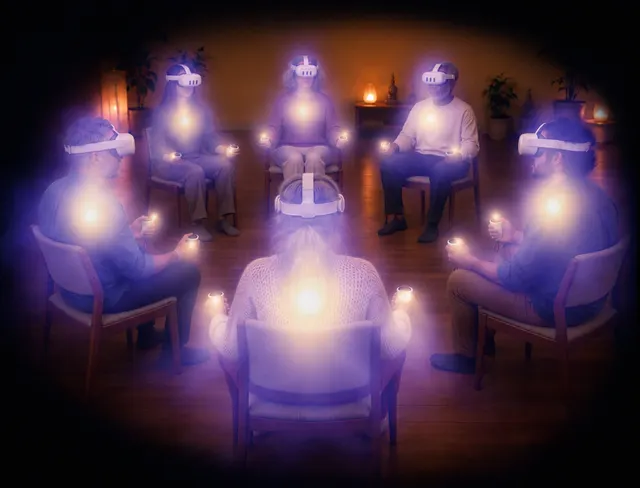
Autonomic indicators of self-transcendence: insights from the numadelic VR paradigm
HRV amplitude is identified as a physiological marker of self‑transcendent experiences during a “numadelic” VR paradigm, showing links to subjective self‑transcendence, compassion traits, and emotional improvement, though the study does not establish general clinical efficacy or long‑term effects.
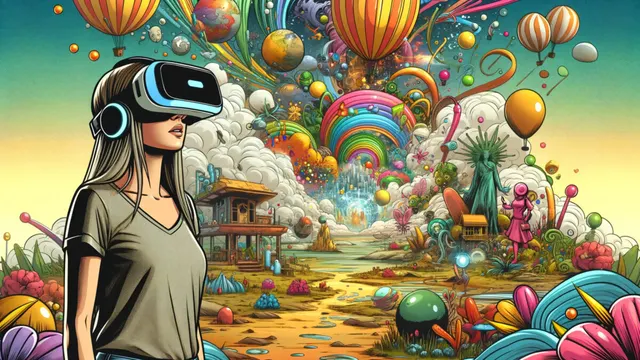
Believable Virtual Reality does not need high-end VR headsets — study
A study from the University of Bath reveals that emotional connection, rather than high-quality graphics or wide field of view, is key to immersion in virtual reality environments. Researchers explored how technical and human factors interact to influence users' sense of presence in VR.

Cyberdelic XD Canvas
Cyberdelic Experience Design combines technology, psychology, and storytelling to create meaningful experiences. The Cyberdelic XD Canvas is a tool for mapping immersive experiences, focusing on elements like audience needs, objectives, sensory engagement, and the flow of experience. It emphasizes holistic design thinking and encourages ethical, transformative practices while facilitating rapid prototyping of experiences that foster awareness and connection.
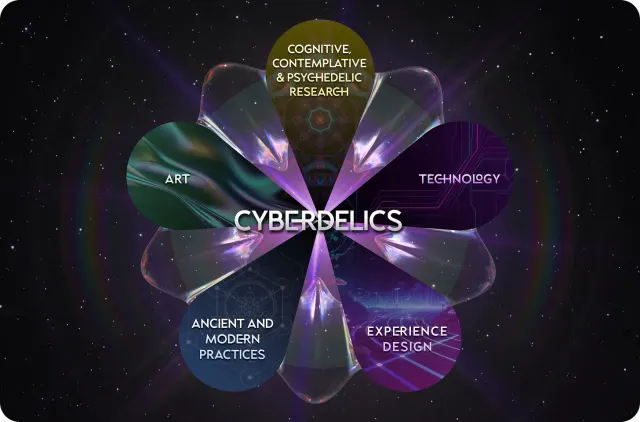
Cybernetics of the Self
The article introduces the concept of a cyberdelic stance, emphasizing conscious engagement with technology as feedback loops that can enhance wisdom and agency. It explores the evolution of cybernetics, merging it with psychedelia to highlight tools and practices that promote interconnection and co-creation, encouraging individuals to actively shape their experiences rather than being controlled by algorithms.
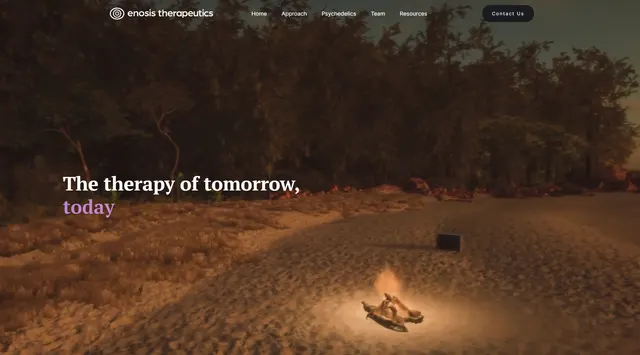
Enosis Therapeutics wants to optimise psychedelic therapy with VR
Enosis Therapeutics and Psylo are leveraging technology in Australia to advance medicinal psychedelic therapy, with Enosis focusing on virtual reality tools for integration therapy and Psylo developing non-hallucinogenic synthetic compounds. Australia has become the first country to legalize psychedelic-assisted therapies for conditions like treatment-resistant depression and PTSD.

Exploring Peak Experiences through Multi-Sensory Extended Reality
Research explores how Multi-Sensory Extended Reality (MSXR) can induce Peak Experiences and altered states of consciousness to improve mental health. The study uses a qualitative phenomenological approach to capture participants' experiences and perceived therapeutic benefits, aiming to enhance the role of immersive technologies in mental health interventions and contribute to counseling psychology and consciousness studies.

Hyperhuman Techniques
Hyperhuman Techniques is a tool featured in a spiritual technology database, focusing on topics like altered states, mindfulness, psychology, and spirituality. More information can be found at the provided URL.
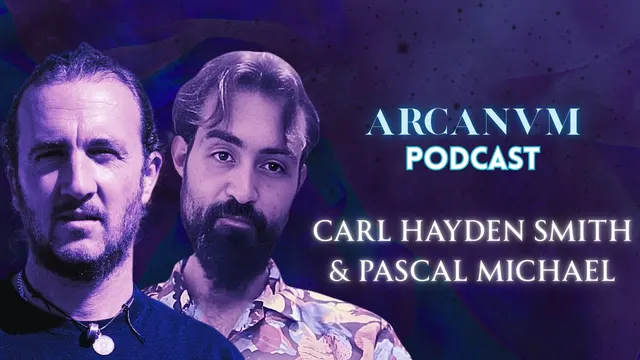
Hyperhumanism, Technomancy & Shamanism in the 21st Century w. Carl Hayden Smith & Pascal Michael
Podcast featuring discussions on hyperhumanism, technomancy, and shamanism in the 21st century, exploring themes of aliens, future societies, psychology, spirituality, and technology.
Integrating SoundSelf in Ketamine Clinics
Ketamine clinics, effective for treatment-resistant depression, can enhance patient outcomes by integrating immersive technologies like SoundSelf. This biofeedback and neuro-stimulation tool serves as an adjunctive intervention, potentially improving the therapeutic experience for patients undergoing ketamine therapy.
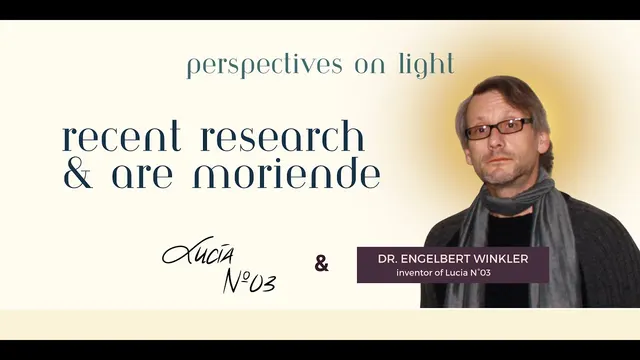
Interview with Dr. Engelbert Winkler, co-Inventor of Lucia N°03 Light Technology
Interview with Dr. Engelbert Winkler discusses the Lucia N°03 Light Technology, highlighting its relevance in psychology, science, and technology. The content is available as a video for viewers interested in these subjects.

Magic, VR, and Ketamine & Internal Family Systems
Virtual reality is not a substitute for therapists; in-person human connections will become increasingly valuable as technology advances. Creative expression through art, music, or movement can preserve the depth of ineffable experiences, avoiding oversimplification through verbalization.
My Father, the VR Meditator: A Conversation on Life, Death, and the Power of Presence
Jeremy Nickel interviews his father about the evolution of meditation practice from seeking higher states to using it for everyday presence. They discuss how VR meditation reduces judgment, aids in facing mortality and grief, and how simple attention practices can transform fear into acceptance and engagement with life's transitions.
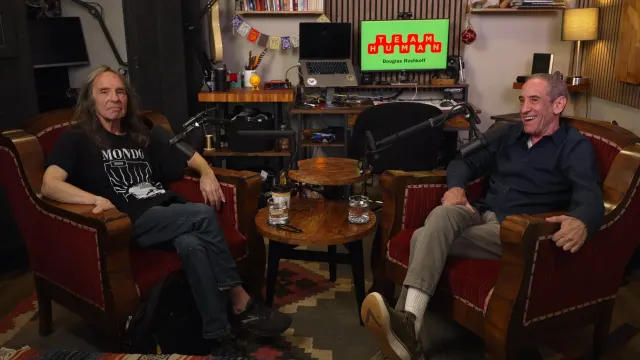
R.U. Sirius: Reality is up For Grabs | Team Human
Podcast episode featuring R.U. Sirius discussing themes of art, culture, cyberculture, psychedelics, psychology, and technology, emphasizing the idea that reality is open to interpretation and change. Available at Team Human's website.

Recuerda Club
Recuerda Club es un canal que explora temas como el anarquivismo, la cultura, la ciber cultura, la psicodelia, la psicología, la espiritualidad y la tecnología. Se puede acceder a más información en su sitio web.
Technodelic Transformation: A Study on Virtual Reality for Psychological Well-Being
Research confirms the efficacy of Virtual Reality (VR) in treating mental health disorders, highlighting its potential as an embodied medicine for transformative experiences similar to psychedelics. The study investigates the effects of SoundSelf VR, focusing on its impact on psychological well-being, transformative processes, and the relationship between non-ordinary states of consciousness and mental health, using a participatory research methodology.
The CHT Perspective
Center for Humane Technology aims to ensure that powerful technologies develop with accountability, focusing on how technology can better serve society. They bridge the gap between complex technological systems and their societal impacts, exposing the hidden incentives behind significant technologies like social media and artificial intelligence to prevent misalignment.
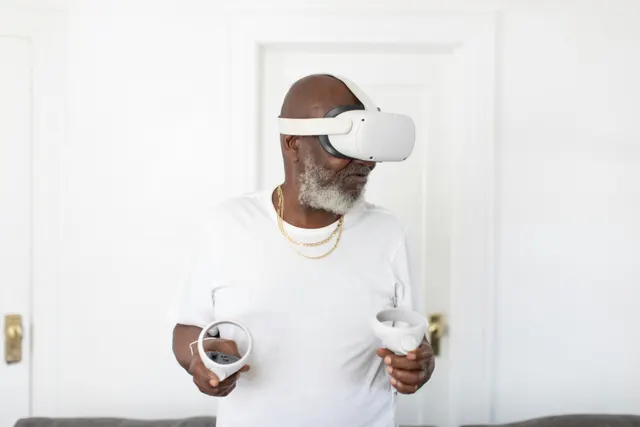
The effects of VR interventions on occupational participation and distress from symptoms in palliative care patients.
Virtual reality (VR) interventions, such as meditation, can reduce psychological distress and physical pain in palliative care patients while helping them achieve personal goals like coping with pain or relaxation. Low-immersion VR experiences are effective and well-accepted, with minimal participant burden and reported benefits outweighing any sadness from reminiscence. VR presents a valuable tool for occupational therapists in palliative care settings.
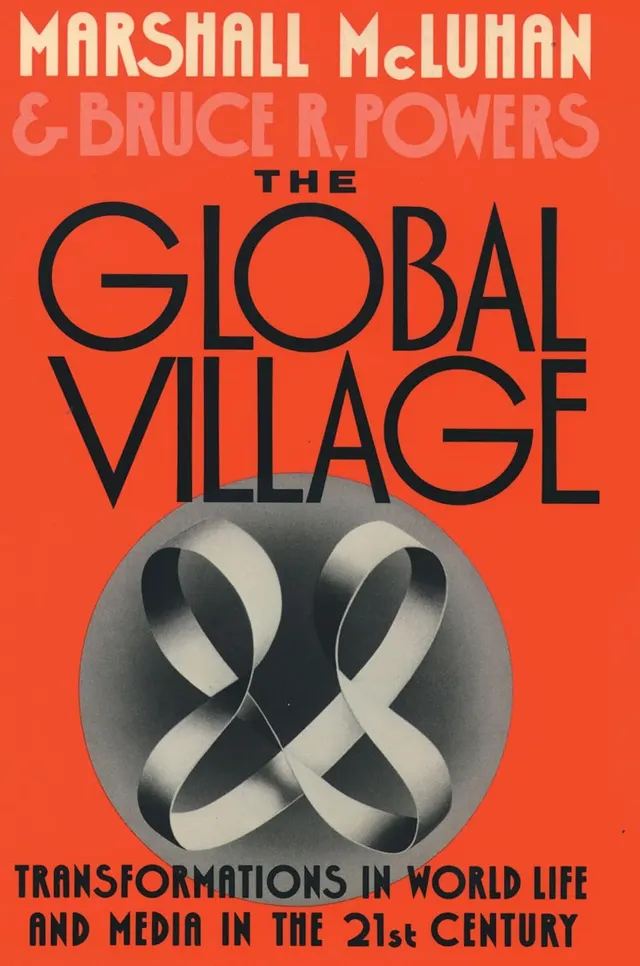
The Global Village: Transformations in World Life and Media in the 21st Century
The authors explore the clash between Visual Space, a linear perception typical of the West, and Acoustic Space, a holistic view common in the East, in the context of today's global communications. They argue that technological advancements are pushing users towards a more dynamic understanding of the world, but warn that this transition may be challenging. Using McLuhan's Tetrad framework, they analyze the implications of these competing worldviews and emphasize the importance of understanding both to achieve peace.
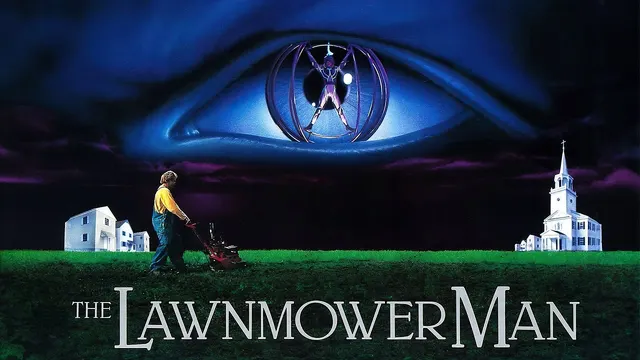
The Lawnmower Man
A 1992 movie directed by Brett Leonard, featuring themes of cyberpunk, psychology, and technology, particularly in virtual reality. The film has a rating of 5.4 and falls under the horror and sci-fi genres.

The Light
A movie titled "The Light," directed by Tom Tykwer, explores themes of flicker light stimulation, psychology, spirituality, and technology, and is set to be released in 2025. More information can be found on its IMDb page.
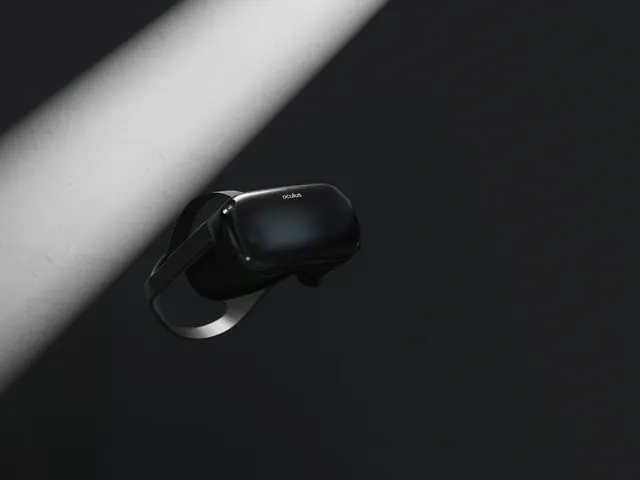
The Light and Dark Sides of VR
Virtual Reality (VR) has diverse applications in entertainment, education, therapy, and research, enhancing communication and wellbeing. However, it also poses risks from overuse and unethical design, potentially leading to negative effects, especially in vulnerable users. Identifying these risks and establishing safety guidelines is crucial as VR becomes more integrated into daily life.
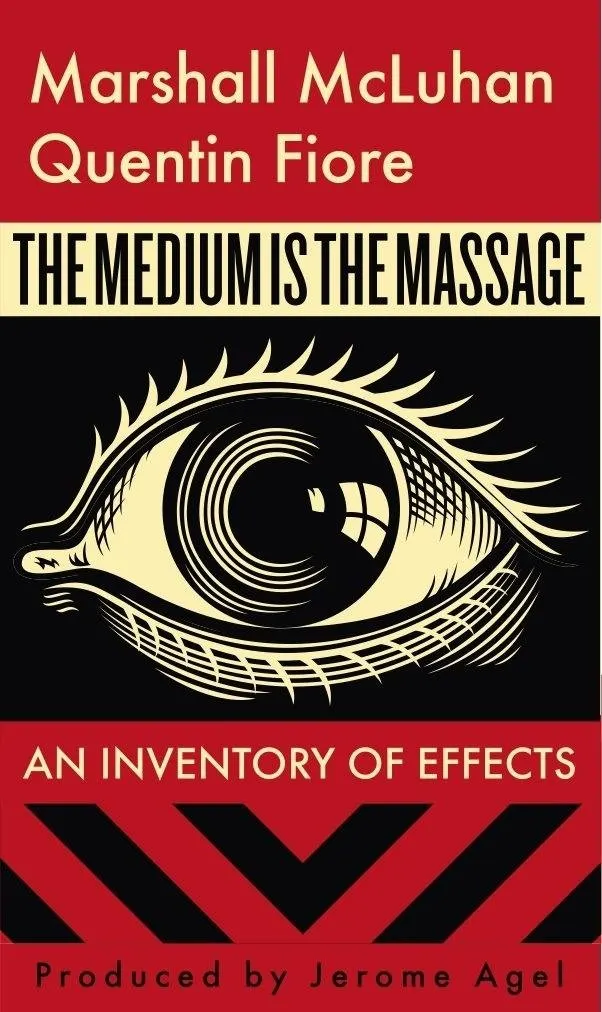
The Medium is the Massage
Marshall McLuhan's work emphasizes that media profoundly shape society beyond just their content, influencing personal and social aspects. Despite the enjoyment derived from mainstream media, it masks deeper societal anxieties due to incongruities between technology and society. His insights are increasingly relevant in the context of the digital revolution and the internet's rise.
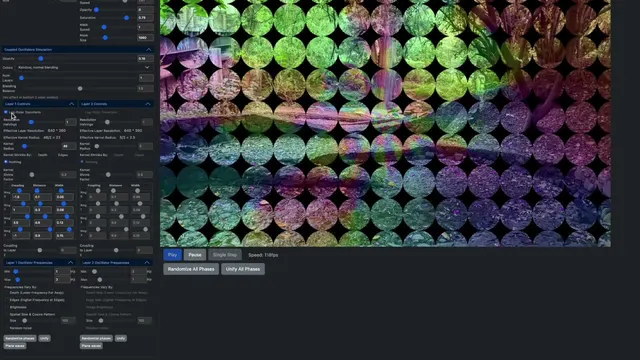
The Oscilleditor
The Oscilleditor is a GUI tool developed by QRI for modeling psychedelic visual phenomenology using coupled oscillators. It allows users to reconstruct and study non-ordinary visual experiences through advanced features like spatial drifting and chaotic coupling. The tool integrates insights from previous research and aims to create structured datasets linking subjective experiences to neurodynamics, offering significant scientific value. Instruction manuals and tutorials are available for users.
The Psychophysiological Effects of Music and Vibroacoustic Stimulation
Vibroacoustic therapy, which combines music and low-frequency sound vibrations, was studied to compare its effects with music alone and silence. Results indicated significant reductions in blood pressure, pulse rate, and muscle oscillation frequency across all conditions. Subjective feelings of health and comfort improved more with vibroacoustics than with music alone, particularly among women who reported a broader range of changes in their health perception.
The Rise of Spiritual Technologies
Nichol Bradford, executive director of the Transformative Technology Lab, explores technology-based solutions for happiness and spiritual awakening, influenced by breakthroughs in psychedelic medicine and meditation studies. She emphasizes the potential of a $4 trillion market for wellness technologies, accelerated by the Covid-19 pandemic.
The Technodelic Manifesto
Technodelics aim to enhance mindfulness and connection in a world facing rising loneliness and depression. They focus on the present moment, using abstract audiovisual elements to stimulate the brain and engage the body in feedback loops. These experiences are immersive, reflective rather than prescriptive, and extend beyond screens into real-life settings, emphasizing the importance of ritual and ceremony.
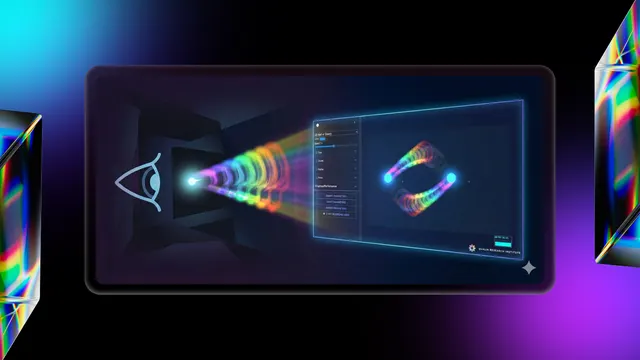
Tracer Replication Tool
The Tracer Replication Tool by the Qualia Research Institute collects quantitative data on psychedelic tracers. Users are guided to familiarize themselves with the tool, track drug dosage and timing, and adjust parameters to match visual experiences. Caution is advised due to the potential risks associated with altered states, and users are encouraged to understand local laws regarding substances. Resources like the Fireside Project helpline are suggested for those with concerns about drug use.
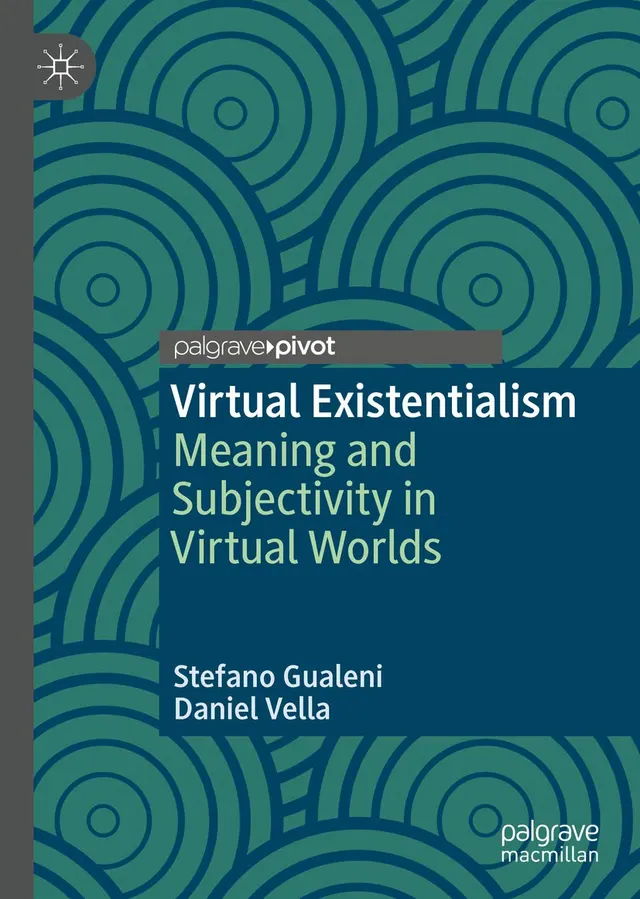
Virtual Existentialism: Meaning and Subjectivity in Virtual Worlds
Explores existence in virtual worlds through existentialism, emphasizing how technology and practices shape human perception, values, and beliefs. It highlights the potential of virtual environments to offer new perspectives and experiences, making it relevant for scholars in philosophy, anthropology, media studies, and digital game studies.
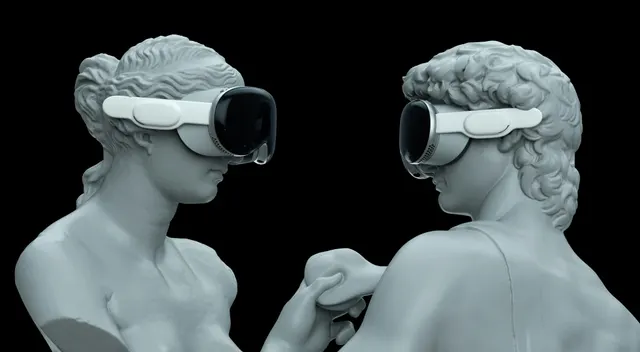
Virtual Reality and Empathy
Virtual reality (VR) has the potential to enhance empathy through immersive experiences, but empirical evidence is limited. This research topic explores how VR experiences can be designed to foster empathy, the consequences of such experiences, and the conditions under which they may lead to negative effects. It invites contributions on psychological models, design factors, measurement innovations, neuroscientific insights, practical implications, and ethical considerations related to VR as an "empathy machine."
Virtual reality: a powerful technology to provide novel insight into treatment mechanisms of addiction
Virtual reality (VR) is emerging as a significant tool in mental health research, particularly for studying addiction. It offers immersive environments that simulate real-life scenarios, allowing researchers to investigate factors like craving, psychophysiology, and cognition in addiction treatment. VR enables standardized experimental designs and personalized simulations, enhancing understanding of treatment mechanisms and potentially leading to more effective therapeutic strategies.
VR for Enhancement of Emotional Mindset in the First Lockdown of United Kingdom for the Covid-19 Pandemics
During the UK lockdown from March to May 2020, data from the Office for National Statistics revealed significant changes in people's behavior. The use of the Virtual Reality app TRIPP for meditation was found to effectively enhance psychological and emotional mindsets during this challenging period.
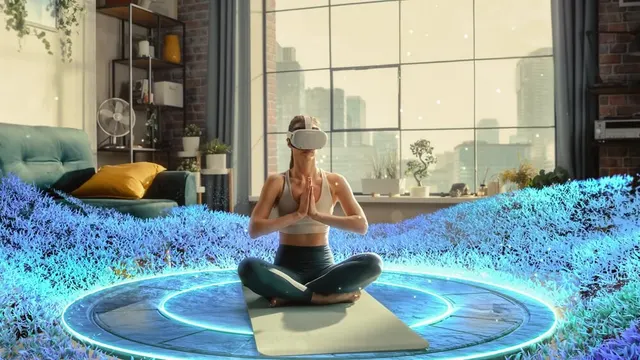
VR for relaxation. Best virtual reality relaxation apps
Virtual reality is becoming a significant tool for relaxation and mental health, utilizing immersive environments and mindfulness exercises to alleviate stress and anxiety. The article reviews scientific evidence, user challenges, and criteria for selecting VR apps, comparing leading platforms like TRIPP, Nature Treks VR, and others based on features, therapeutic value, pricing, and accessibility.

VR Therapy in Palliative Care: A Case Series
Virtual reality (VR) therapy offers potential benefits for reducing symptom burden in palliative care patients. This case series evaluates the feasibility and acceptability of using VR therapy in this population, addressing a gap in existing research on its application in palliative settings.

VR vs. Lumena's Reflective Chamber (MindGym)
A study from the Institute for Advanced Consciousness Studies reveals that anxiety-reducing experiences in a new reflective chamber called MindGym can be effectively translated into virtual reality formats, enhancing accessibility for anxiety management tools.
VR, Biofeedback, and Digital Therapeutics: The Future of Mental Health
Exploration of the intersection of virtual reality, biofeedback, and digital therapeutics in enhancing mental health treatments, emphasizing the potential of technology in psychology and psychedelics.
We Are Cyberdelic
A video by Jason Silva explores themes of art, culture, future, philosophy, psychedelics, psychology, society, and spirituality, highlighting the intersection of these topics. The video is featured and available at the provided URL.