Knowledge · Article
The effects of VR interventions on occupational participation and distress from symptoms in palliative care patients.
By Julian Corvin, Zara Hoskinson, Beth Mozolic-Staunton
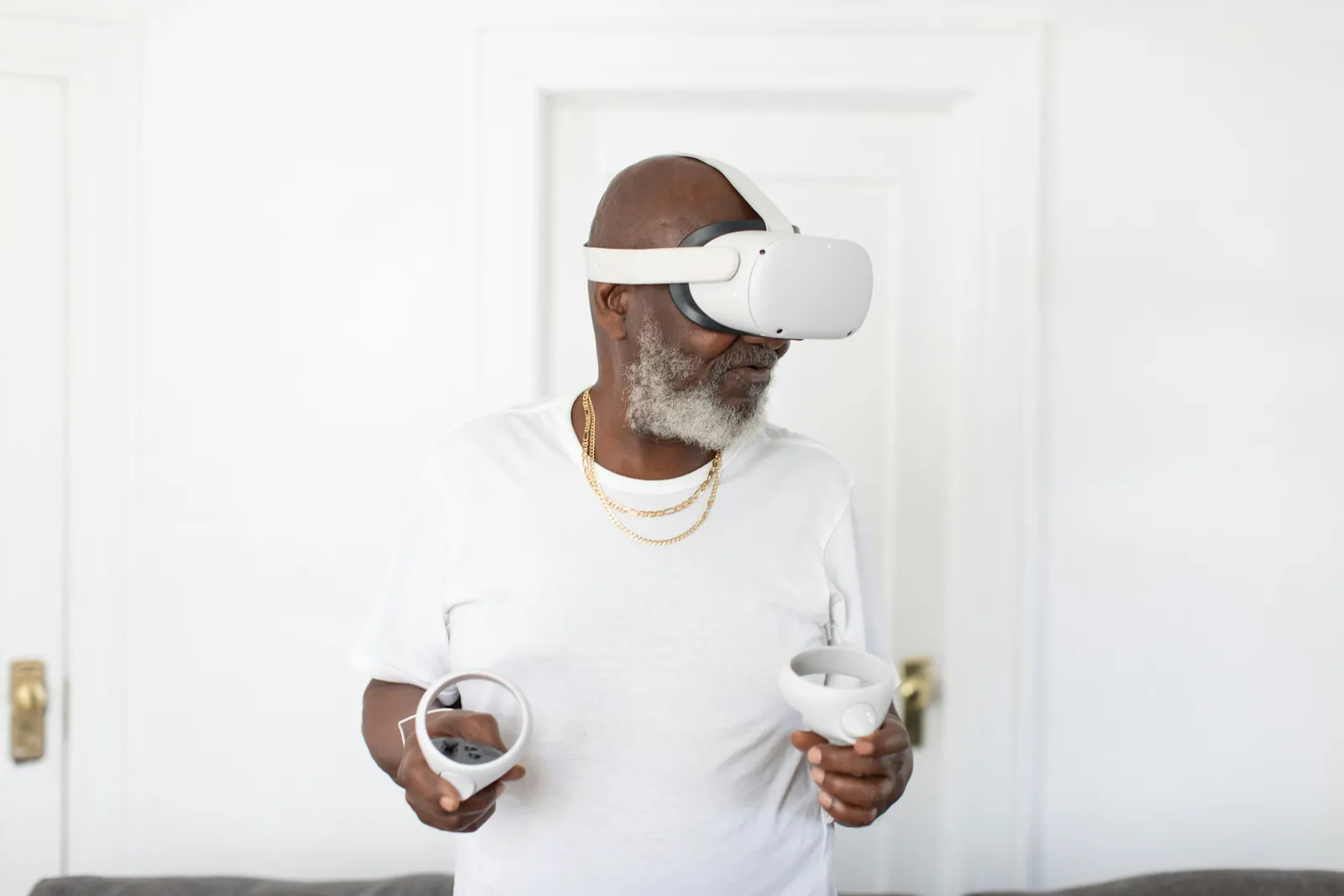
Virtual reality (VR) interventions, such as meditation, can reduce psychological distress and physical pain in palliative care patients while helping them achieve personal goals like coping with pain or relaxation. Low-immersion VR experiences are effective and well-accepted, with minimal participant burden and reported benefits outweighing any sadness from reminiscence. VR presents a valuable tool for occupational therapists in palliative care settings.
- Kind
- Article33 articles in the bank
- Published
- 2024Where it sits among everything in the Knowledge Bank, by year
- Authors
Topics
Summary
About the article
Virtual reality (VR) therapeutic modalities, such as meditation, may alleviate psychological distress and physical pain of palliative care patients while exploring client-specified goals: coping with pain, reminiscence, or relaxation.
Suitable VR experience content has been described as low-immersion, effective and accepted by palliative care participants in previous studies. Researchers have noted that VR interventions’ participant burden was minimal, with participants reporting sadness due to reminiscences stating that the benefits outweighed the harm (Brungardt et al. Reference Brungardt, Wibben and Tompkins2021; Kabir et al. Reference Kabir, Rice and Bush2020; Perna et al. Reference Perna, White and Minton2021). VR, therefore, offers an option to occupational therapists for use in palliative care settings.
Related
More like this
My Father, the VR Meditator: A Conversation on Life, Death, and the Power of Presence
Jeremy Nickel interviews his father about the evolution of meditation practice from seeking higher states to using it for everyday presence. They discuss how VR meditation reduces judgment, aids in facing mortality and grief, and how simple attention practices can transform fear into acceptance and engagement with life's transitions.

VR for Enhancement of Emotional Mindset in the First Lockdown of United Kingdom for the Covid-19 Pandemics
During the UK lockdown from March to May 2020, data from the Office for National Statistics revealed significant changes in people's behavior. The use of the Virtual Reality app TRIPP for meditation was found to effectively enhance psychological and emotional mindsets during this challenging period.
A Virtual Reality Application for Stress Reduction: Design and First Implementation of ERMES Project
The ERMES project utilizes Virtual Reality to enhance psychological well-being by offering immersive experiences aimed at stress reduction. It includes Mindfulness sessions, virtual museum exploration, and Art Therapy activities, allowing patients to engage in therapeutic practices individually or collaboratively in hospital settings.
- Editor
- Not recorded yet
- Last reviewed
- Not reviewed yet
Conversation
Share your experience of it
What it was like, what helped, what you would tell someone before they try it.