
Knowledge · Article
VR vs. Lumena's Reflective Chamber (MindGym)
By Ninette Simonian
A study from the Institute for Advanced Consciousness Studies reveals that anxiety-reducing experiences in a new reflective chamber called MindGym can be effectively translated into virtual reality formats, enhancing accessibility for anxiety management tools.
- Kind
- Article33 articles in the bank
- Published
- 2025Where it sits among everything in the Knowledge Bank, by year
- Author
Topics
Summary
About the article
The newest study from the Institute for Advanced Consciousness Studies has found that anxiety-reducing experiences created in a novel “reflective chamber” environment called the MindGym can be successfully translated to more accessible virtual reality (VR) formats without losing their effectiveness.
This finding opens up new possibilities for making anxiety management tools more widely available to those who need them.
Related
More like this
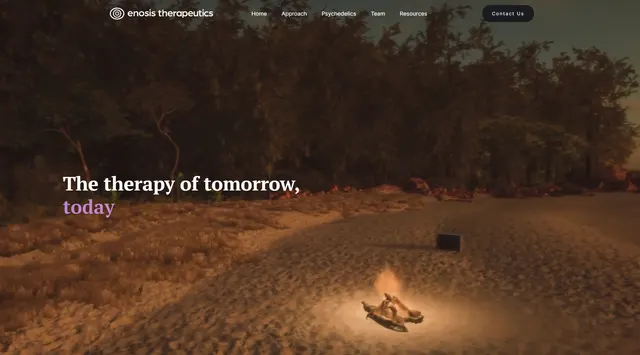
Enosis Therapeutics wants to optimise psychedelic therapy with VR
Enosis Therapeutics and Psylo are leveraging technology in Australia to advance medicinal psychedelic therapy, with Enosis focusing on virtual reality tools for integration therapy and Psylo developing non-hallucinogenic synthetic compounds. Australia has become the first country to legalize psychedelic-assisted therapies for conditions like treatment-resistant depression and PTSD.

Shrooms Won’t Make You Believe in God, But They Might Convince You That Robots Have Feelings
A study from Johns Hopkins University indicates that a single psilocybin experience is unlikely to convert atheists to belief in God or alter perceptions of free will. However, it may lead individuals to perceive consciousness in animals, plants, and even inanimate objects like robots. Participants showed slight shifts in attributing consciousness to certain creatures, but their religious and metaphysical beliefs remained largely unchanged.
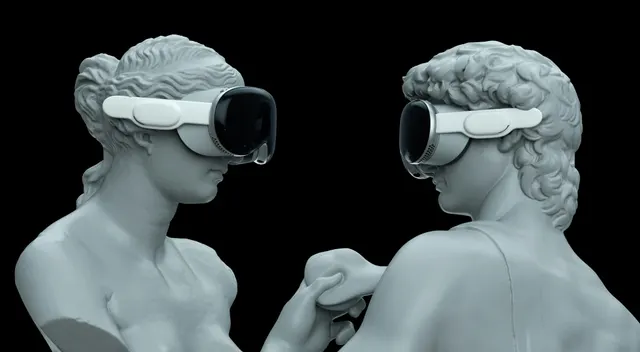
Virtual Reality and Empathy
Virtual reality (VR) has the potential to enhance empathy through immersive experiences, but empirical evidence is limited. This research topic explores how VR experiences can be designed to foster empathy, the consequences of such experiences, and the conditions under which they may lead to negative effects. It invites contributions on psychological models, design factors, measurement innovations, neuroscientific insights, practical implications, and ethical considerations related to VR as an "empathy machine."
- Editor
- Not recorded yet
- Last reviewed
- Not reviewed yet
Conversation
Share your experience of it
What it was like, what helped, what you would tell someone before they try it.